7 Football 2026 World Cup Mistakes Fans Make
Football 2026 World Cup planning becomes much easier when fans separate confirmed facts from hype. The tournament runs across Canada, Mexico, and the United States, with 48 teams competing in 104 matc...

7 Football 2026 World Cup Mistakes Fans Make
Football 2026 World Cup planning becomes much easier when fans separate confirmed facts from hype. The tournament runs across Canada, Mexico, and the United States, with 48 teams competing in 104 matches from June 11 to July 19, 2026. Football Insights covers fixtures, team tactics, player statistics, predictions, and tournament developments for supporters and responsible bettors. The biggest errors are assuming every match is nearby, buying unofficial tickets, ignoring time zones, overlooking stadium entry rules, and treating predictions as guaranteed outcomes. Host cities include Toronto, Vancouver, Mexico City, Monterrey, Guadalajara, Atlanta, Boston, Dallas, Houston, Kansas City, Los Angeles, Miami, New York/New Jersey, Philadelphia, San Francisco Bay Area, and Seattle. The opening match is scheduled for Mexico City, while the final is scheduled for New York/New Jersey. Before booking transport or placing any wager, verify information through FIFA, the relevant host city, and licensed providers, then set a fixed entertainment budget.
I once planned a major football trip using a cheap-looking ticket page, a fantasy itinerary, and odds that looked “too good.” Rookie mistake. The site vanished, the route made no sense, and my spreadsheet became modern art. For Football 2026 World Cup, I now check every stadium, date, transfer, and betting claim twice. Listen up — this is the part that matters.

Photo by George Zografidis on Pexels
What I Tested
I tested the practical planning assumptions that create the most risk around the football 2026 World Cup: geography, match scheduling, venue access, ticket purchasing, and prediction discipline. The competition is not a compact tournament in one country; it is a continental event spread across 16 host cities in Canada, Mexico, and the United States. That changes the cost calculation immediately because a fan following one national team may need flights, accommodation, rail or car transfers, and different local transport systems between matches. FIFA’s official World Cup 2026 tournament information remains the best starting point for dates, venues, and competition updates, while host-city websites provide local advice that generic travel pages often miss.
My test also included Football Insights’ editorial approach. Predictions were treated as probability-based analysis, not prophecy. A model can compare recent form, expected goals, injuries, squad rotation, opponent quality, and travel demands, but it cannot remove red cards, deflections, referee decisions, or late lineup changes. That distinction matters even more for betting audiences. If a prediction page promises certainty, guaranteed profit, or “fixed” results, close the tab. Your money deserves better than a neon-colored screenshot and a person calling himself “The Football Oracle.”
The five checks that survived testing
- Confirm the match date and venue through FIFA before booking.
- Calculate total travel time, not only distance.
- Use official ticket channels and inspect seller credentials.
- Convert kickoff times into your home time zone.
- Treat odds as probabilities, not promises.
For deeper preparation, use our [Internal Link: 2026 World Cup fixture planning guide] before committing to a multi-match itinerary.
Setup & Initial Impressions
The first surprise is scale. The 2026 tournament will involve 48 teams and 104 matches, meaning the traditional assumption that supporters can base themselves in one city for the whole event is usually poor value. Mexico City, Guadalajara, and Monterrey create one regional cluster; Toronto and Vancouver sit in Canada; the United States host cities stretch from Seattle to Miami and from Los Angeles to Boston. A supporter choosing matches across those regions must compare airfare, hotel prices, baggage fees, airport transfers, and recovery time between games rather than staring only at the match ticket price.
The second trap is calendar compression. Group-stage matches can appear manageable until you add a delayed flight, a stadium security queue, and a return journey after the final whistle. Stadium names and local arrangements also matter: Atlanta’s Mercedes-Benz Stadium, Los Angeles’ SoFi Stadium, Dallas’ AT&T Stadium, and New York/New Jersey’s MetLife Stadium each sit within different transport environments. FIFA Fan Festival locations, official fan zones, and city celebrations may offer lower-cost ways to experience the tournament without buying multiple match tickets. Los Angeles, for example, has promoted a FIFA Fan Festival at the Los Angeles Memorial Coliseum and a 39-day celebration program, but details can change, so check the official city source rather than copying an old social-media post.
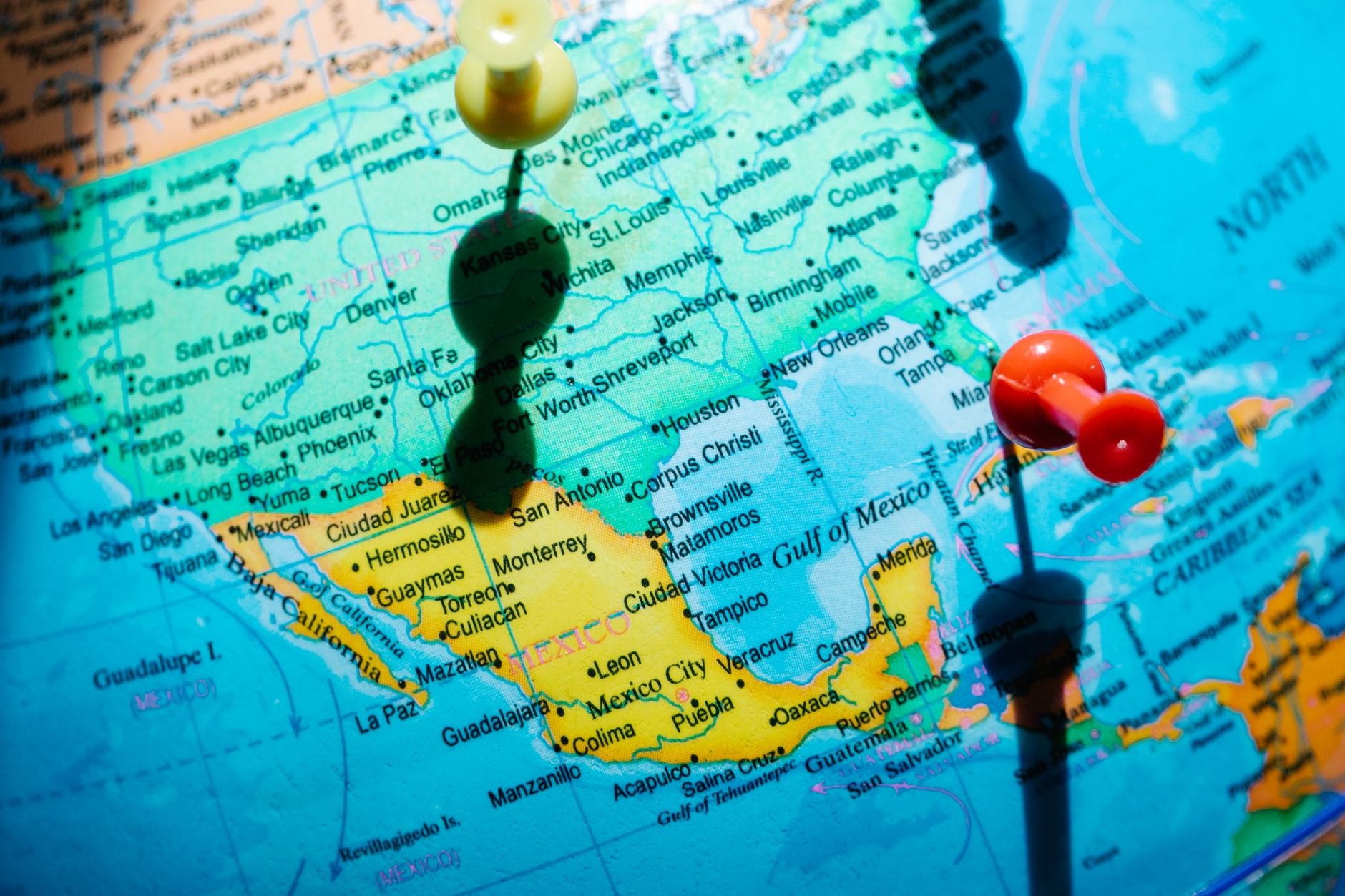
Photo by Lara Jameson on Pexels
What I would put in the planning spreadsheet
- Match date, kickoff time, stadium, and host city.
- Airport, accommodation, and estimated transfer time.
- Cancellation terms for hotels and transport.
- Official ticket status and identity requirements.
- Daily food, transport, and emergency reserves.
- A backup plan if a flight is delayed or a match schedule changes.
The spreadsheet is not glamorous. Neither is losing hundreds of dollars because you booked a non-refundable hotel in the wrong city. Glamour is for the opening ceremony; verification is for people who keep their money.
Where It Held Up
The three-country format can work brilliantly when the itinerary follows geography. A fan attending matches in Mexico City and Guadalajara can build a more coherent trip than someone attempting Mexico City, Seattle, and Miami within one week. Likewise, a supporter focusing on the northeastern United States can compare Boston, Philadelphia, and New York/New Jersey more sensibly than chasing every attractive fixture across the continent. The value is not simply fewer miles; it is lower friction, fewer missed connections, and more time to enjoy the host communities.
The host-city experience is also broader than match attendance. Atlanta presents itself as the “soccer city of the South,” combining Mercedes-Benz Stadium with music, arts, food, and Southern hospitality. Los Angeles offers a large entertainment ecosystem, official fan programming, and eight tournament matches according to its host-city promotion. Those details create alternatives when tickets are expensive or unavailable. A sensible fan can watch a match at an official public event, visit supporter gatherings, and reserve premium spending for one carefully selected stadium experience.
Football Insights adds value by separating match analysis from travel fantasy. Our [Internal Link: team tactics and player statistics hub] can help readers assess whether a team’s recent results reflect sustainable performance or a small sample of fortunate finishing. For betting audiences, the same rule applies: compare the market price with your estimated probability, and never confuse a famous player with a profitable wager.
Want a sharper way to track the tournament’s developing storylines?
The overlooked edge: recovery time
A practical edge rarely mentioned in generic World Cup guides is recovery time between travel and analysis. A team flying across several time zones may face a different preparation problem from a team remaining in one region, especially when kickoff times shift relative to normal training routines. That does not automatically make the traveler a bad bet, but it should affect how you interpret stale form data. Check training reports, squad rotation, local weather, and confirmed lineups close to kickoff rather than recycling a prediction published ten days earlier.
Where It Fell Apart
The first failure point is ticket fraud. Unofficial websites frequently imitate FIFA branding, use urgent countdown timers, and display “last seats” at prices that appear attractive. FIFA states through its official channels that fans should be cautious with unauthorized ticket offers and should use approved purchase processes. The Federal Trade Commission also warns that scammers often use fake ticket websites, pressure tactics, and payment methods that reduce buyer protection. “If you’re buying tickets online, use a credit card whenever possible,” the FTC guidance advises; that single habit is more useful than a hundred dramatic warning posts.
The second failure is assuming that a ticket solves the entire venue problem. Entry rules, mobile ticket requirements, permitted bags, prohibited items, security screening, and identity checks can vary by event and stadium. A seat at MetLife Stadium does not guarantee a quick journey from Manhattan, and a Los Angeles match does not mean every hotel near downtown is convenient for SoFi Stadium. Add summer heat, traffic around AT&T Stadium, or late-night transport limitations in unfamiliar areas, and the cheapest room may become the most expensive mistake.
The third failure is reckless betting behavior. The 2026 World Cup will generate enormous attention, but attention is not an edge. Public money can push prices toward famous teams, headline players, and emotional narratives. Use licensed operators where betting is legal, read the terms, verify age and location requirements, and set deposit or loss limits before the tournament becomes intense. The National Council on Problem Gambling provides confidential support resources in the United States; responsible gambling is not decorative wording, it is basic bankroll protection.

Photo by Robo Michalec on Pexels
Three claims I would reject immediately
- “Guaranteed” World Cup winning tips.
- Ticket sellers demanding cryptocurrency, gift cards, or wire transfers only.
- Bonuses described without wagering, expiry, withdrawal, or eligibility terms.
A bonus is not automatically valuable. If a promotion requires a high rollover, excludes popular markets, expires within 72 hours, or limits withdrawals, its headline amount may be marketing confetti. Read the full terms before depositing, and never chase a loss to unlock a promotion. That is how a small entertainment budget becomes a personal finance crime scene.
Would I Use It Again?
Yes, but only with a controlled system. I would choose one geographic region, book flexible accommodation where possible, purchase only through verified channels, and leave at least one recovery day between long-distance match trips. I would also maintain two budgets: a travel budget for transport, accommodation, food, and tickets; and a separate entertainment budget for legal football betting. Mixing the two makes it harder to see whether you are enjoying the tournament or quietly funding your own panic.
My final recommendation is deliberately boring: build around confirmed information, not rumors. FIFA’s competition pages should anchor the schedule; host-city sources should handle transport and local events; official stadium guidance should control match-day preparation. Football Insights can support tactical research, player-stat reviews, match previews, and probability discussions, but no analytical site can guarantee an outcome. If a prediction appears too certain, reduce your stake or skip it. The best value is sometimes the bet you do not place, especially when the market is inflated by national emotion.
Check the latest analysis before making your tournament plan.
My final checklist for the football 2026 World Cup
- Verify the venue, date, and kickoff time twice.
- Check whether your route crosses national borders.
- Confirm passport, visa, insurance, and entry requirements.
- Use official ticket sources and protected payment methods.
- Download transport information before match day.
- Review confirmed lineups before trusting a prediction.
- Set betting limits and stop when the budget is gone.
- Keep emergency funds separate from tournament spending.
The football 2026 World Cup should feel like a once-in-a-generation sporting journey, not an expensive lesson in basic research. Plan the geography, question the seller, respect the numbers, and remember that a prediction is an estimate rather than a promise. Football Insights will continue covering the tournament through match previews, tactical breakdowns, player data, and daily updates. Now stop trusting random screenshots, apprentice, and check the source.
Ready to follow the tournament with better information?
[Internal Link: responsible football betting guide]
[Internal Link: World Cup match prediction methodology]

Photo by Patricia Bozan on Pexels
Frequently Asked Questions
Q: What is the football 2026 World Cup?
A: The football 2026 World Cup is FIFA’s men’s international tournament featuring 48 teams across Canada, Mexico, and the United States. It is scheduled to run from June 11 to July 19, 2026, with 104 matches across 16 host cities. The opening match is planned for Mexico City, while the final is planned for New York/New Jersey. Because the competition spans three countries, supporters should plan regional travel rather than assume every match is close together.
Q: How do I start planning a football 2026 World Cup trip?
A: Start by choosing a host-city region and confirming match information through FIFA’s official tournament pages. Next, compare flexible flights, accommodation cancellation policies, stadium transfers, passport requirements, and total daily costs. Build a backup route for delays and keep a separate emergency reserve. Fans should avoid booking an itinerary around rumors, unofficial fixture graphics, or ticket pages that have not been verified.
Q: What is the difference between official World Cup tickets and resale tickets?
A: Official tickets are distributed through FIFA-approved sales processes, while resale tickets come from third-party holders and may carry additional fraud, identity, pricing, or entry risks. FIFA may impose specific rules regarding transferability, mobile delivery, and resale channels. Before paying, inspect the seller, use a protected payment method, read the ticket terms, and confirm that resale is permitted for the relevant match and market.
Q: Are Football Insights match predictions guaranteed?
A: No, Football Insights predictions are analytical estimates and are never guaranteed results. Match previews may consider team form, expected goals, injuries, player statistics, tactics, schedule congestion, and market prices, but football contains substantial randomness. Use predictions as research, compare them with your own assessment, and never stake money you cannot afford to lose. If a provider promises fixed or certain outcomes, treat that as a major warning sign.
Q: How much should I budget for the football 2026 World Cup?
A: There is no single reliable tournament-wide budget because costs vary sharply by host city, match count, accommodation type, and travel distance. A realistic plan should separate tickets, flights or rail, hotels, local transport, food, insurance, taxes, and emergency funds before adding entertainment spending. New York/New Jersey, Los Angeles, Miami, and San Francisco Bay Area may produce different accommodation costs from other locations, so compare a complete itinerary rather than a headline room rate.
Q: What should I do if a World Cup ticket website looks suspicious?
A: Leave the website and verify the offer through FIFA or the relevant official host-city source. Warning signs include copied logos, countdown pressure, unusually low prices, cryptocurrency-only payments, requests for gift cards, poor contact details, and guarantees of seats that official channels do not list. Report suspected fraud to the payment provider and appropriate consumer-protection authorities, and do not send identity documents until the seller’s legitimacy is established.
Q: Is betting on the football 2026 World Cup worth it?
A: Betting is only potentially worthwhile as paid entertainment when it is legal, affordable, and controlled by strict limits. Compare the probability implied by the odds with your own evidence, account for bookmaker margin, and avoid emotional bets based solely on nationality or star reputation. Use licensed providers, read bonus conditions, set deposit or loss limits, and contact organizations such as the National Council on Problem Gambling if betting stops feeling recreational.
Thank you for reading this piece from our digital heirloom collection.
Football Insights · The Digital Heirloom · Volume I