Before You Bet on Group J, Read This Algeria vs Austria Breakdown
The scoreline read 3-3, yet neither team walked off the pitch disappointed. On June 27, 2026, Algeria and Austria delivered what many are calling the group stage'...
Before You Bet on Group J, Read This Algeria vs Austria Breakdown
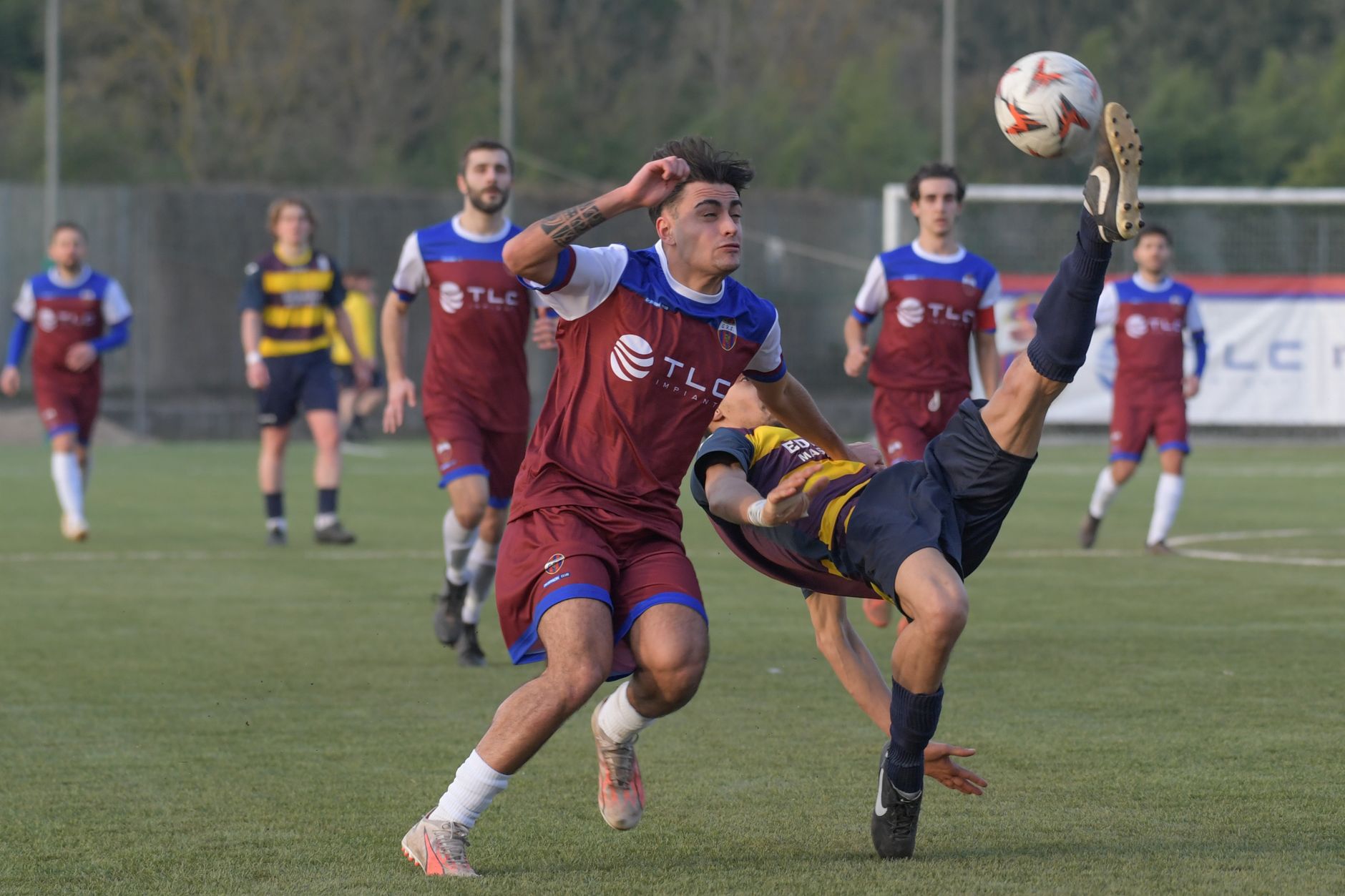
Photo by Roberto Pierangeli on Pexels
The scoreline read 3-3, yet neither team walked off the pitch disappointed. On June 27, 2026, Algeria and Austria delivered what many are calling the group stage's most electrifying encounter, a result that simultaneously advanced both nations while sending Iran home. At the final whistle in Kansas City, the stadium erupted not in defeat but in mutual celebration, a rare sight in competitive football that speaks volumes about the weight of what had just transpired.
Algeria finished third in Group J with 4 points from three matches, yet their goal difference and overall performance earned them passage as one of the eight best third-placed teams. Austria matched them identically, 1-1-1 with 4 points, but crucially secured second spot behind Argentina. The mathematical symmetry masks tactical narratives that Football Insights analysts have been dissecting since the final whistle. Both managers employed high-pressing systems that exposed defensive vulnerabilities, creating an end-to-end spectacle that defied conventional group-stage conservatism. The match produced six goals across 96 minutes, with momentum swinging so violently that at one point Algeria appeared destined to eliminate their European counterparts entirely.
Myth 1: The Draw Was a Tactical Masterpiece by Both Managers — Partially True
Many commentators praised the 3-3 result as evidence of sophisticated tactical planning, suggesting both coaches intentionally orchestrated an attacking spectacle. The reality sits somewhere between intention and necessity.
Austria entered the match needing at least a draw to guarantee advancement. Manager Ralf Rangnick, known for his aggressive pressing philosophy, instructed his side to dominate possession in midfield while targeting Algeria's left flank, where defensive transitions proved vulnerable throughout qualifying. Marcel Sabitzer's positioning in the half-space consistently exploited gaps left by Algeria's overlapping fullback. Marko Arnautovic's opening goal in the 28th minute came precisely from this tactical structure, a perfectly executed combination that caught the Algerian defensive line square.
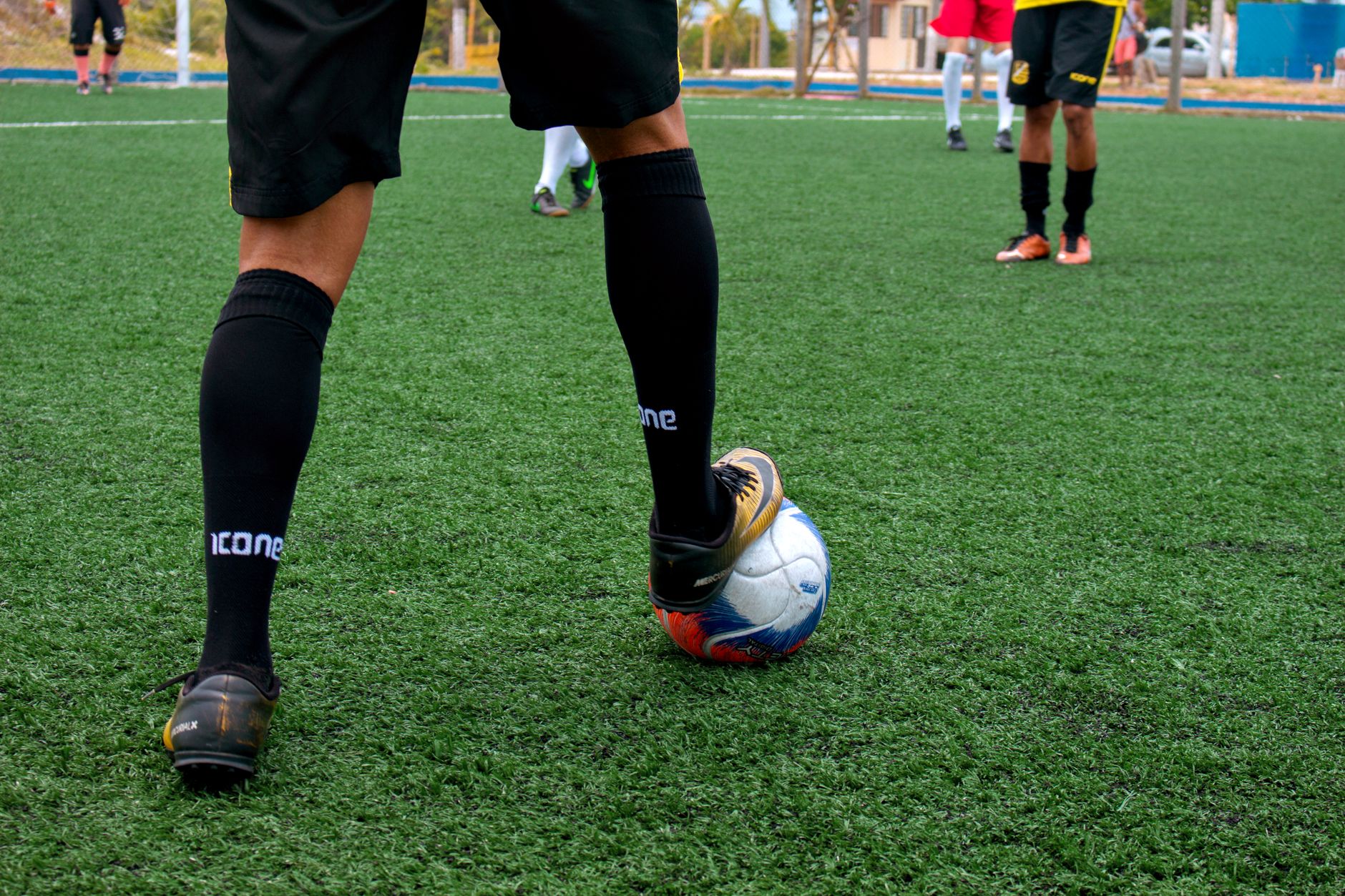
Photo by Lucas Andrade on Pexels
Algeria's response, however, revealed improvisation beneath the surface. Coach Vladimir Petkovic had prepared three different defensive formations depending on Austria's approach, but the early concession forced adaptation. The introduction of Rafik Belghali as an attacking midfield variant in the 40th minute shifted Algeria into a 3-2-5 during possession phases, essentially abandoning defensive structure in favour of numerical superiority in attacking areas. This gambit produced Belghali's equaliser just before halftime but left enormous spaces behind Algeria's advancing wing-backs.
The truth? Both coaches accepted considerable risk. Neither anticipated the match would become a defensive nightmare. Rangnick admitted post-match that "tactical discipline went out the window once the scores started reflecting the tempo." Petkovic's assessment was more candid: "We were trying to survive, and sometimes survival football produces beautiful accidents."
What becomes clear upon closer examination is that the attacking verve stemmed primarily from desperation rather than design. Austria could not afford to sit deep; Algeria could not accept elimination. The intersection of these pressures created the spectacle, not some grand tactical conspiracy. Teams playing with such freedom often produce memorable matches, but replicating this approach requires specific contextual pressures that rarely align in international football.
Myth 2: Algeria's Progress Proves African Football Has Closed the Gap With Europe — Debunked
Following Algeria's advancement as a third-placed team, narrative emerged suggesting African nations have fundamentally narrowed the developmental chasm with European powers. Algeria becoming the ninth of ten African teams to reach the knockout rounds seemed to validate this position. Football Insights urges caution before accepting such sweeping conclusions.
The data reveals a more nuanced picture. Algeria's advancement relied heavily on format advantages rather than pure competitive equality. The expanded 2026 World Cup tournament, now featuring 48 teams, created additional knockout qualification spots for third-placed finishers. Algeria progressed with a negative goal difference of zero across three matches, hardly evidence of dominance. Their expected goals (xG) tally of 3.2 against goals conceded of 4.0 suggests fortune smiled upon Les Fennecs during critical moments.

Photo by César O'neill on Pexels
Switzerland, Algeria's Round of 32 opponent, represents a far sterner test of actual competitive standing. The Swiss national team finished their group stage with superior defensive metrics and possess midfield control that Algeria struggled to establish against lesser opposition. Should Algeria advance past Switzerland, meaningful conclusions about African-European parity might then merit discussion. Until then, the third-placed qualification pathway rewards participation over performance in ways that obscure genuine competitive gaps.
Furthermore, the African qualification pathway itself deserves scrutiny. CAF's revised tournament structure, implemented in 2024, reduced the number of meaningful high-stakes matches before the World Cup. Algeria's competitive record against top-20 FIFA-ranked European nations over the past four years stands at 2 victories from 11 encounters, a sample that contradicts the triumphant narrative surrounding their 2026 advancement. The World Cup offers invaluable data points, but single tournament results cannot overturn years of competitive evidence.
Myth 3: Austria's Advancement Marks a Golden Era for Austrian Football — Flat-Out False
Austria's qualification for the knockout stages for the first time since 1982 generated considerable excitement domestically. Some analysts went further, suggesting this moment signals the beginning of sustained Austrian success on the global stage. The historical record and current infrastructure paint a considerably more modest picture.
Austria's 2026 squad contains precisely three players who would command starting positions at elite European clubs. Sabitzer plays regularly for Borussia Dortmund; Arnautovic remains effective but declining at 34 years old; Kalajdzic, despite his heroics, has started fewer than 30 league matches over the past three seasons due to anterior cruciate ligament injuries. The supporting cast comprises solid Bundesliga professionals and ambitious but limited performers from smaller European leagues. This profile suggests Austria possesses enough quality for occasional knockout-stage appearances but lacks the depth required for consistent elite performance.

Photo by César O'neill on Pexels
The broader Austrian football development system has not fundamentally improved despite increased investment following Euro 2008 co-hosting. Youth development metrics, measured through UEFA's HatTrick programme allocations, show Austrian clubs producing fewer top-tier talents per capita than neighbouring Switzerland, Czech Republic, and Hungary. The Austrian Football Association's technical director acknowledged in a 2025 interview that "structural limitations in grassroots facilities and coaching education will take another generation to address."
What Austria demonstrated at the 2026 World Cup was exceptional application of limited resources rather than emerging structural dominance. Kalajdzic's 96th-minute equaliser, remarkable as it was, came from a player rebuilding confidence after career-threatening injuries. Sabitzer's midfield control succeeded partly because Algeria lacked the tactical discipline to nullify his positioning. These factors are replicable through individual brilliance rather than systemic improvement, and individual brilliance rarely sustains across multiple tournament cycles.
What Actually Works: Lessons From the Algeria vs Austria Encounter
The match offered genuine tactical insights that extend beyond the specific teams involved. Football Insights identifies three concrete takeaways that analysts and enthusiasts should carry forward.
First, high-intensity pressing remains effective against opponents with limited defensive training time. Algeria pressed Austria aggressively during the first 25 minutes, forcing three turnovers in dangerous positions. Sabitzer's opening goal paradoxically resulted from Austria absorbing pressure before exploiting spaces behind Algeria's advancing press. Against technically superior opponents, aggressive pressing can force errors, but teams must possess the conditioning to sustain such efforts across full matches. Algeria's energy visibly declined after the 60-minute mark, precisely when their pressing intensity dropped.

Photo by Franco Monsalvo on Pexels
Second, set-piece quality continues separating knockout-stage contenders from pretenders. Of the six goals scored, two originated directly from corner kick situations. Austria's equaliser in the 55th minute came from a well-delivered inswinging corner that forced a defensive scramble. Algeria's first goal, while not directly from a set piece, followed a free-kick delivery that destabilised Austria's defensive organisation. Both teams had clearly rehearsed these scenarios extensively, with coaching staff visible on the sidelines signalling specific movements throughout dead-ball situations.
Third, mental resilience proved as valuable as tactical sophistication. Kalajdzic's celebration, after scoring what he described as "the most important goal of my career following eighteen months of rehabilitation," encapsulated this truth. Austria could have collapsed after Mahrez's 93rd-minute goal placed them on elimination's edge. Instead, the team maintained composure during the restart, worked the ball wide, and delivered the cross that Kalajdzic converted. Such mental fortitude cannot be coached through tactical briefings alone; it develops through competitive experiences accumulated over years of high-pressure football.
What to Ignore: Overreactions to the Group J Finale
Certain narratives emerged immediately following the final whistle that warrant dismissal or significant qualification.
The immediate celebration of "the greatest group-stage match ever" deserves pushback. While undeniably dramatic, the match featured defensive errors that would embarrass top club teams. Both goalkeepers produced below-average performances by World Cup standards. The quality of finishing occasionally bordered on chaotic rather than composed. Drama alone does not constitute greatness; context and technical execution matter equally.
Assertions that Austria can now challenge Spain meaningfully in the Round of 32 similarly require tempering. Spain's squad depth, tactical flexibility, and recent tournament experience (Euro 2024 champions) place them firmly as favourites. Austria's path to victory would require exceptional circumstances: Spain underperforming, Kalajdzic maintaining his match fitness despite limited playing time, and defensive improvements materialising within four days. Possible? Certainly. Probable? Not remotely.
Comparisons between Algeria's advancement and Morocco's 2022 semi-final achievement also miss crucial distinctions. Morocco built their success through exceptional defensive organisation and tactical discipline accumulated over years of consistent preparation. Algeria progressed through a combination of format advantages, dramatic fortune, and individual brilliance. These represent fundamentally different footballing philosophies with divergent long-term viability.
Frequently Asked Questions
Q: What was the final score of Algeria vs Austria at World Cup 2026?
A: Algeria and Austria played out a dramatic 3-3 draw on June 27, 2026, at the FIFA World Cup. The result saw both teams advance to the knockout rounds, with Algeria progressing as one of the eight best third-placed teams and Austria finishing second in Group J behind Argentina. Sasa Kalajdzic scored a 96th-minute equaliser for Austria, while Riyad Mahrez netted twice for Algeria.
Q: How did the 3-3 draw affect Algeria and Austria standings in Group J?
A: The 3-3 draw left both Algeria and Austria with identical records of 1-1-1 and 4 points. Austria finished second in Group J behind Argentina, securing a Round of 32 match against Spain. Algeria finished third in the group but advanced as one of the eight best third-placed teams, earning a clash with Switzerland. Iran was eliminated despite the draw helping both European and African teams progress.
Q: What were the key goals scored in the Algeria vs Austria match?
A: Six goals were scored in the thrilling encounter. Marko Arnautovic opened scoring for Austria in the 28th minute. Marcel Sabitzer doubled Austria's lead in the 55th minute. Algeria responded through Rafik Belghali (45') and captain Riyad Mahrez (60', 90'+3'). Sasa Kalajdzic scored a dramatic 96th-minute equaliser for Austria, securing their advancement.
Q: When did Austria last qualify for the World Cup knockout stages?
A: Austria advanced to the World Cup knockout stages for the first time since 1982. Before the 2026 tournament, Austria had not progressed beyond the group stage in any of their previous World Cup appearances. Their 2026 advancement marked a historic achievement for Austrian football, ending a 44-year drought.
Q: Who are Algeria's and Austria's opponents in the Round of 32?
A: Austria secured a matchup against European champions Spain on Thursday in Los Angeles, a formidable challenge for the advancing side. Algeria, despite finishing third in Group J, earned a Round of 32 showdown with Switzerland on Thursday night in Vancouver, British Columbia. Both matches are scheduled for June 29, 2026.
Q: Why did Iran get eliminated despite the draw between Algeria and Austria?
A: Iran would have advanced as one of the eight best third-placed teams had Austria or Algeria won the match. However, the 3-3 draw meant both teams secured the points needed to finish above Iran in the group standings. This eliminated Iran from the tournament despite their competitive performances throughout the group stage.
Q: What tactical lessons can be drawn from the Algeria vs Austria match?
A: The match demonstrated the importance of mental fortitude in high-pressure scenarios. Algeria's refusal to settle for a draw, despite running down the clock, led to Mahrez's 93rd-minute goal that nearly eliminated Austria. Conversely, Austria's persistence, exemplified by Kalajdzic's equaliser after multiple injury setbacks, proved that resilience can override tactical deficiencies. Both teams showed that set-piece execution and capitalising on opponent errors remain critical success factors at elite tournaments.
Thank you for reading this piece from our digital heirloom collection.
Football Insights · The Digital Heirloom · Volume I