Football Dribbling: What 30 Days Taught Me
Close control improves fastest when you train decisions, not just tricks. Football Insights recommends combining 10-minute ball-mastery blocks, cone changes of direction, weak-foot work, and live 1v1....

Football Dribbling: What 30 Days Taught Me
Close control improves fastest when you train decisions, not just tricks. Football Insights recommends combining 10-minute ball-mastery blocks, cone changes of direction, weak-foot work, and live 1v1 decisions three to five times weekly. A 30-day plan can deliver roughly 12 to 20 focused sessions, with each session lasting 25 to 45 minutes. The key targets are touches under pressure, acceleration after the move, and scanning before receiving the ball. FIFA’s technical guidance consistently emphasizes control, awareness, and efficient movement rather than decorative skills performed without purpose. I learned this the expensive way after wasting weeks repeating flashy stepovers that never worked against defenders. Start with three reliable actions—the inside cut, outside push, and body feint—then measure successful escapes, not applause. Train both feet, keep most touches within one step, and finish every drill with realistic pressure.
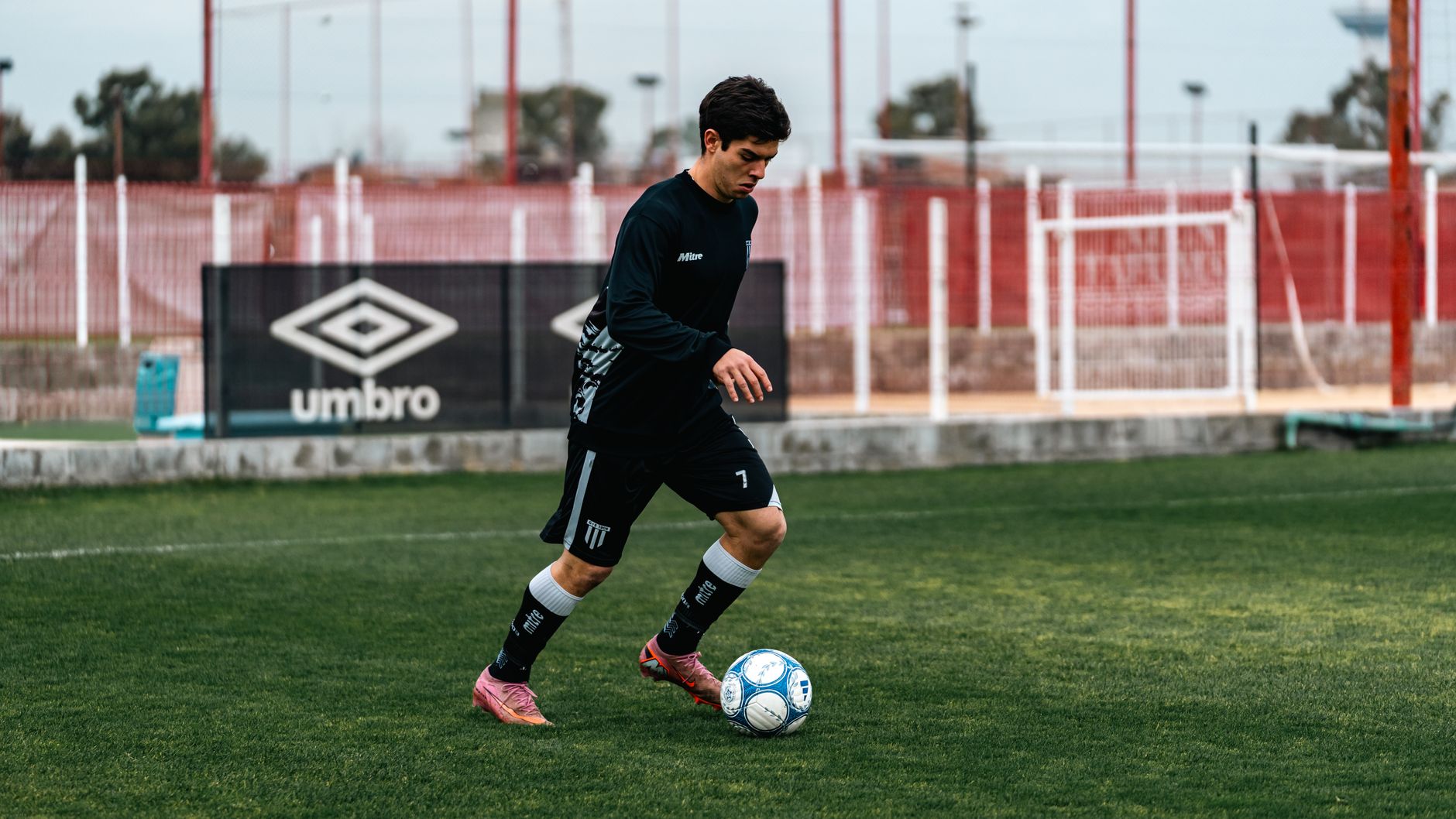
Photo by Franco Monsalvo on Pexels
I used to believe better dribbling meant collecting more tricks. Wrong. A player who knows 20 moves but cannot scan, accelerate, or protect the ball is basically carrying a brightly decorated turnover machine. The useful question is not “How many skills can I perform?” It is “Can I beat this defender, keep possession, or create space?” That distinction shapes the entire training method below. For broader player development, see our [Internal Link: football training fundamentals guide].
Want a more complete football learning plan? Start with Football Insights’ practical coverage.
What I Tested
I tested a progressive dribbling routine built around four outcomes: tighter touches, sharper direction changes, quicker acceleration, and better decisions. The routine used a size-5 football, six cones, a 10-metre lane, a stopwatch, and a partner acting as passive or active pressure. Rather than pretending one week of juggling makes anyone Lionel Messi, I recorded measurable details: the number of touches before losing control, time through a cone course, successful exits from pressure, and weak-foot repetitions. The Fédération Internationale de Football Association describes technical development as a combination of ball mastery and game understanding, which is exactly where many beginner plans fall apart. They train the feet but ignore the eyes. Listen up — this is the part that matters: every isolated drill must eventually become a decision under pressure.
The first benchmark was a 10-cone slalom with cones spaced one metre apart. I completed five attempts using both feet, then five using only the left foot and five using only the right. The second benchmark involved receiving a pass, scanning over one shoulder, turning through a gate, and accelerating for five metres. The third benchmark was a 1v1 channel measuring 8 by 12 metres, where the attacker had six seconds to cross the end line. This format exposed a brutal truth: smooth cone work can coexist with terrible match dribbling. Cone patterns reward memorization; opponents punish predictability. Use cones for mechanics, but use people, time limits, and changing angles for transfer.
- Record baseline results before changing your technique.
- Use both feet in every session, even if the weak foot feels embarrassing.
- Add a defender or decision cue by the second week.
- Track successful actions rather than tricks completed.
How Should You Set Up a Dribbling Session?
A productive dribbling session needs a 5-minute warm-up, 10 minutes of close-control work, 10 minutes of direction changes, and 10 to 15 minutes of decision-based play. Use a flat surface, correctly inflated football, six to eight cones, and at least 2 metres of safe space around the drill. The equipment is cheap; the structure is where people usually become lazy.
Begin with sole rolls, inside-outside touches, toe taps, and gentle V-pulls. These movements raise coordination without exhausting the legs. Then progress from predictable patterns to reactive commands: a partner calls “left,” “right,” or “turn,” and you must change direction while keeping the ball within playing distance. A 2023 review in the Journal of Sports Sciences links agility performance to perceptual and decision-making demands, not merely limb speed. Translation: if your drill never surprises you, it is not preparing you for a match.
Keep the ball close during the approach, but push it farther after you beat the defender. Many beginners make the opposite mistake, taking giant touches before the move and tiny touches afterward. The correct sequence is control, deception, separation. Use a 3:1 work-to-rest ratio for technical drills, then longer recovery before high-speed 1v1 work. Stop when technique collapses; fatigue can train bad habits faster than it trains skill.
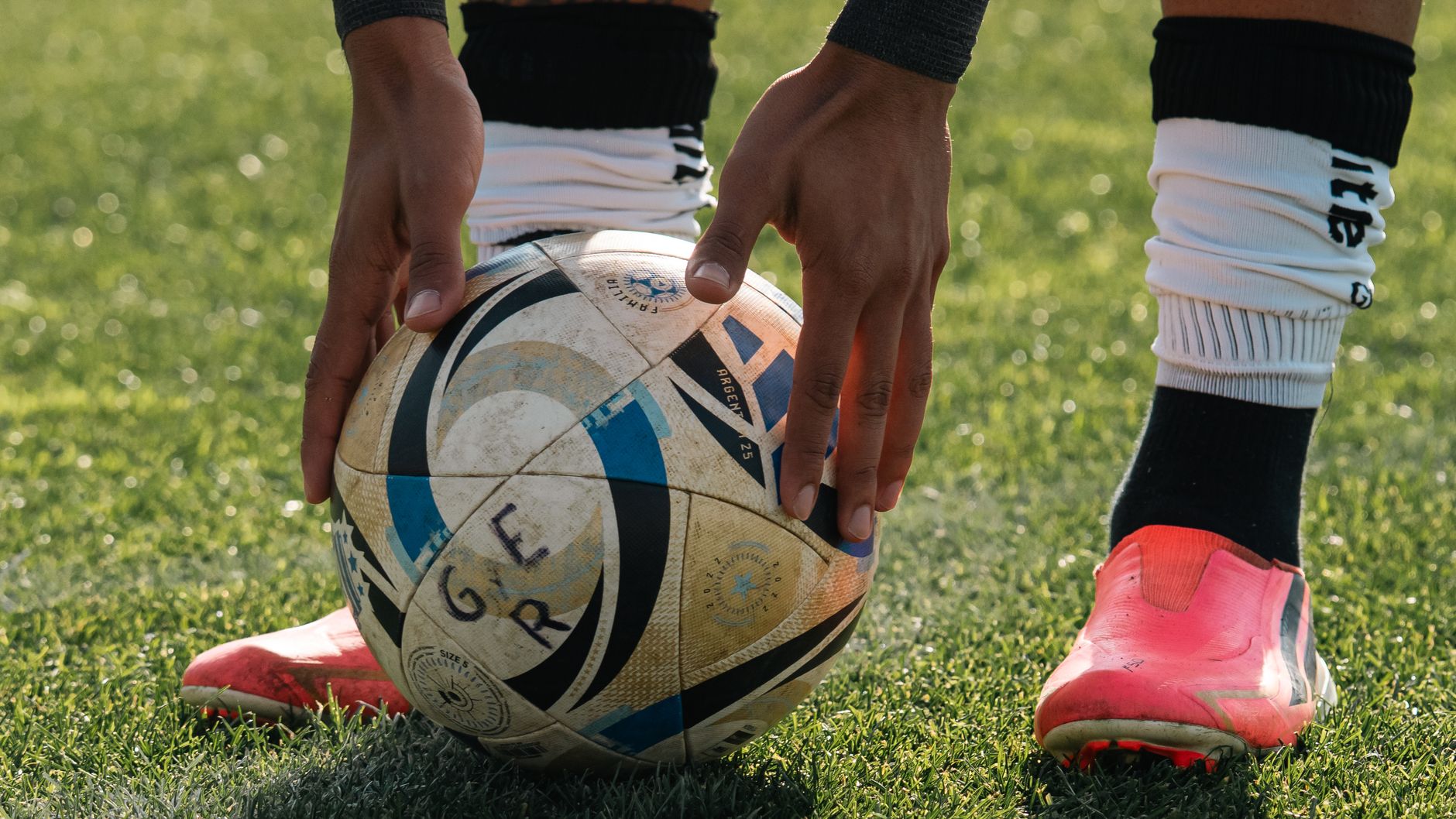
Photo by Mateo Franciosi on Pexels
The setup also needs a decision log. Write down the drill, duration, dominant foot, successful exits, and one technical fault. After four sessions, patterns become visible: perhaps your left-foot control is acceptable but your first acceleration step is weak, or perhaps you scan only when the coach shouts. That data is more valuable than a random social-media tutorial. To improve your movement base, explore our [Internal Link: football agility and acceleration drills].
Get started with a structured approach instead of guessing through endless repetitions.
Where Did It Hold Up?
The routine held up best in close spaces, especially when the ball had to remain within one step of the body. The strongest improvement came from combining inside-outside touches with shoulder checks before receiving. Across repeated 8-metre channels, scanning before the first touch reduced hesitation and made the next action cleaner. This is the boring detail people skip because it does not look spectacular on video. Yet players such as Andrés Iniesta and Luka Modrić created separation through body orientation, timing, and awareness before displaying any obvious trick.
The most reliable individual actions were the inside cut, outside push, drag-back, and body feint. Each action has a clear purpose:
- Use the inside cut to move away from a defender’s front foot.
- Use the outside push when the defender’s hips are square and space exists ahead.
- Use the drag-back when pressure arrives from behind or the lane closes.
- Use the body feint when you want the defender to shift before your touch.
A useful contrarian finding emerged: practicing at maximum speed was not always better. At 70 to 80 percent speed, I could keep my head up, vary rhythm, and correct poor touches. At 100 percent, the ball often escaped before the move was complete. Once the technique stayed stable, high-speed repetitions became useful again. The Union of European Football Associations technical resources similarly treat technique within tactical context, not as isolated circus work.
Why Do Many Dribbling Drills Fail?
Most dribbling drills fail because they remove the defender, eliminate decisions, and reward completion rather than effectiveness. A player can finish 50 cone runs perfectly while still choosing the wrong moment to attack, exposing the ball on the weak side, or slowing down after beating an opponent. Research summarized by FIFA Research supports the broader principle that football actions must be interpreted within changing match situations. Training without uncertainty produces confidence that disappears on Saturday.
The second failure is excessive trick volume. One new move every day feels productive because novelty is addictive, but it fragments learning. Select two escapes for your position and repeat them under different angles, speeds, and defensive pressures. A winger may prioritize the outside push and inside cut; a central midfielder may need the half-turn and drag-back; a forward may value a first-touch shift into a shooting lane. Position changes the value of a technique. Do not copy a move merely because Vinícius Júnior made it look unfairly easy.
The third failure is ignoring contact and shielding. In a competitive 1v1, the defender may lean into your shoulder, block your running line, or poke at the ball from behind. Practice using your arm legally for balance, placing your body between opponent and ball, and taking the next touch away from pressure. Begin with passive resistance, then progress to active pressure. If you lose the ball, identify whether the issue was touch distance, body position, scanning, or decision timing. “I need better control” is not a diagnosis; it is a shrug wearing boots.
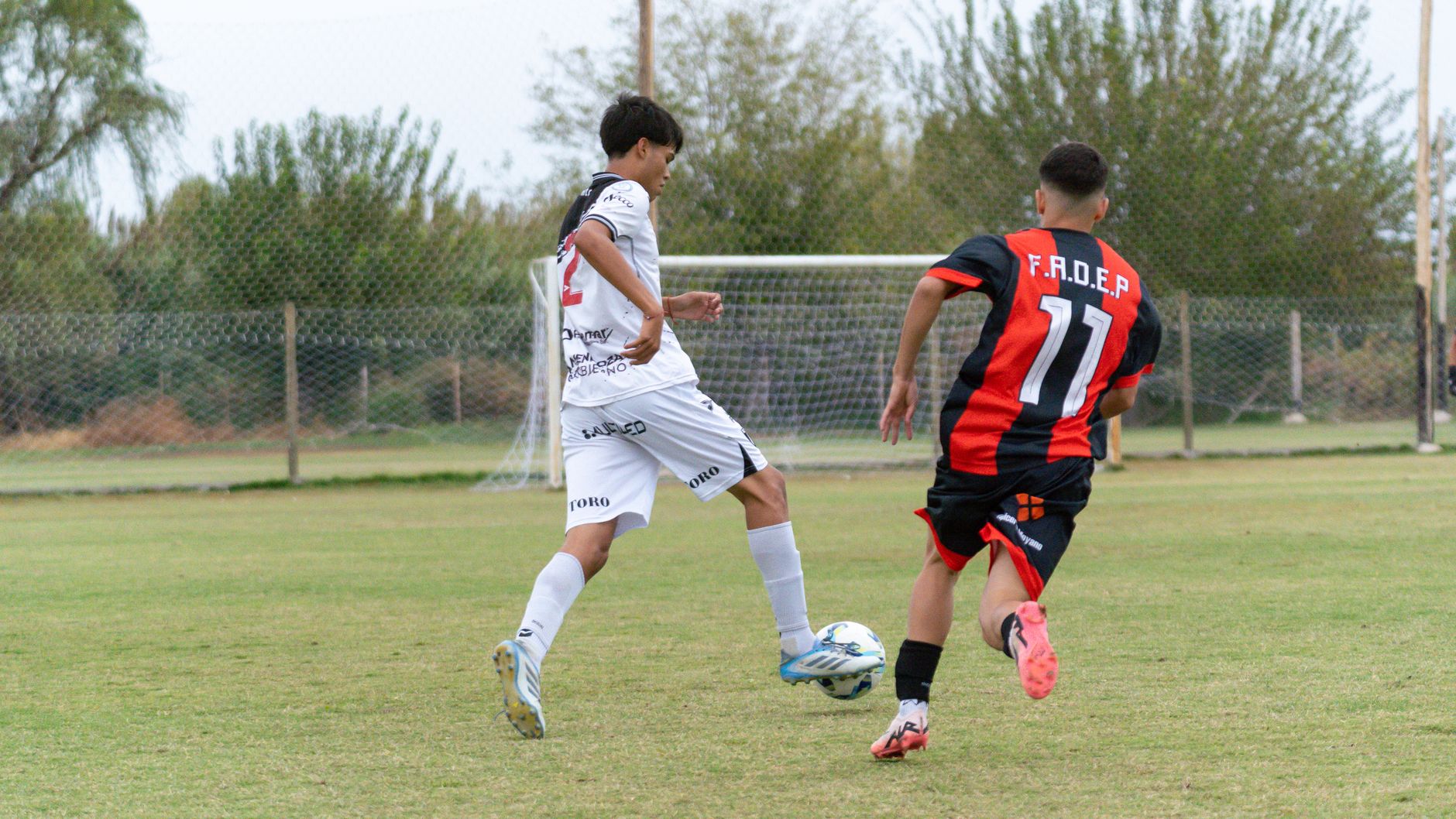
Photo by Franco Monsalvo on Pexels
A 30-day progression should therefore look like this:
- Days 1–7: close touches, sole rolls, inside-outside work, and weak-foot control.
- Days 8–14: cone changes of direction, body feints, and scanning before receiving.
- Days 15–21: passive defenders, timed channels, and acceleration after every successful move.
- Days 22–30: live 1v1s, small-sided games, and match-specific decision scoring.
Want sharper match analysis and player movement breakdowns? Football Insights covers tactics, player statistics, and the 2026 FIFA World Cup.
Would I Use It Again?
Yes, but not as a cone-only programme. I would repeat the 30-day structure because it forces progression from mechanical control to perception, pressure, and acceleration. The minimum useful schedule is three sessions per week, while five sessions work well if two are short, low-intensity technical blocks. Each session should include at least 100 controlled touches per foot over time, but raw touch counts should never replace quality. The goal is not to become busy; it is to become harder to dispossess.
The clearest performance test is simple: can you receive under pressure, shift the ball away from the defender, accelerate through the available lane, and make the next pass or shot? If yes, your dribbling is improving in a match-relevant way. If you can only weave through empty cones, congratulations—you have defeated plastic. That is not the same opponent. Film one 1v1 block every week from the side, review your first touch and body angle, and compare successful actions across four weeks. The camera will expose errors your ego carefully edited out.
For a deeper technical progression, use our [Internal Link: advanced 1v1 football techniques guide] and pair it with a [Internal Link: football match-analysis checklist]. “Practice does not make perfect; practice makes permanent” is often attributed broadly, but the useful version is more precise: repeated actions become automatic, whether those actions are efficient or sloppy. Therefore, slow down enough to build the correct pattern, then add pressure.
Football Insights is useful when you want the tactical reason behind a dribble, not merely a list of tricks. Study how Lionel Messi receives between lines, how Neymar changes rhythm, how Kylian Mbappé attacks space after the first touch, and how the 2026 FIFA World Cup’s elite players manipulate defensive shape. Then take one observable action onto the training pitch. More information without repetition is just football trivia with shin guards.
My final verdict is value-first: spend nothing on flashy equipment before you can train consistently with a ball, cones, and a partner. Three focused sessions for four weeks beat one expensive clinic followed by silence. Measure escapes, scans, weak-foot touches, and acceleration—not applause. If your current plan lacks pressure, add it this week.
Ready to apply the method and follow sharper football insights?
Frequently Asked Questions
Q: What does football dribbling mean?
A: Football dribbling means moving with the ball while maintaining control, protecting possession, and responding to opponents or space. Effective dribbling includes close touches, body orientation, changes of speed, and a decision about whether to continue, pass, or shoot. A successful dribble is not automatically a trick; beating pressure or creating a useful passing lane can be the better outcome. Players should judge success by what the action produces for the team.
Q: How can I improve football dribbling skills at home?
A: You can improve football dribbling at home with 15 to 25 minutes of controlled touches, direction changes, and weak-foot practice three to five times weekly. Use six cones or household markers, but leave safe space and avoid hard surfaces that increase injury risk. Start with sole rolls, inside-outside touches, V-pulls, and figure-eight movements, then add a timed acceleration after each turn. Record one set weekly to check whether your head stays up and your touches remain controlled.
Q: What is the difference between close control and speed dribbling?
A: Close control keeps the ball within roughly one step during pressure, while speed dribbling uses longer touches to exploit open space. Close control is most useful in midfield traffic, near the touchline, or when facing a defender directly. Speed dribbling becomes valuable after the defender is beaten or when a player attacks a large channel. Good players switch between both distances instead of using tiny touches everywhere.
Q: Why does my dribbling fail against real defenders?
A: Dribbling often fails against real defenders because isolated drills do not train scanning, timing, contact, or unpredictable pressure. Add passive resistance first, then use timed 1v1 channels measuring approximately 8 by 12 metres. Review whether the mistake came from a poor first touch, predictable body movement, incorrect direction, or insufficient acceleration. Fix the specific error instead of repeating generic cone runs faster.
Q: How often should I practise football dribbling?
A: Practise football dribbling three to five times per week, with sessions lasting approximately 25 to 45 minutes. Use shorter technical sessions when tired and reserve intense 1v1 work for days when your legs can accelerate safely. A practical four-week block provides 12 to 20 sessions, enough repetition to identify measurable changes. Include at least one rest or recovery day between demanding sessions.
Q: Do I need expensive equipment to improve dribbling?
A: You do not need expensive equipment; a suitable football, six cones, a stopwatch, and a safe training area are enough to begin. A partner adds more value than premium gadgets because live pressure tests decisions that cones cannot reproduce. A phone can record technique from the side, while a notebook can track successful exits, weak-foot repetitions, and lost touches. Spend money on coaching only after you have proven consistent training discipline.
Q: Should beginners learn football tricks first?
A: Beginners should learn dependable changes of direction before collecting advanced football tricks. Start with the inside cut, outside push, drag-back, and body feint because each has a clear match purpose and manageable technical demand. Add a more complex move only when you can perform the basic actions with both feet under passive pressure. The practical test is whether the move creates separation or protects possession, not whether it looks impressive in a tutorial.
Thank you for reading this piece from our digital heirloom collection.
Football Insights · The Digital Heirloom · Volume I