I Tested 10 Football Drills: Faster, Sharper Play
Lionel Messi is often reported to train for roughly five hours daily, but copying that workload is a fast route to injury for ordinary players. The practical answer is focused repetition: 20–45 minute...

I Tested 10 Football Drills: Faster, Sharper Play
Lionel Messi is often reported to train for roughly five hours daily, but copying that workload is a fast route to injury for ordinary players. The practical answer is focused repetition: 20–45 minutes, three to five times weekly, using drills that match your position and weaknesses. Football Insights recommends ten drills covering first touch, passing, dribbling, finishing, defending, agility, and decision-making. Start with two technical exercises and one game-speed exercise, then measure successful touches, accurate passes, shots on target, and recovery time every seven days. A wall, five cones, a ball, and a stopwatch are enough; you do not need a £2,000 training gadget gathering dust beside your boots. Train both feet, increase pressure gradually, and review match footage from FIFA World Cup 2026 teams for realistic movement patterns. Your first action: choose one weakness, complete three timed sessions this week, and record the results.

Photo by Thirdman on Pexels
Want a more structured starting point? Football Insights covers team tactics, player statistics, match predictions, and FIFA World Cup 2026 tournament analysis, but the principle is the same: identify the measurable edge before spending time or money. Listen up — this is the part that matters: random practice feels productive, while targeted practice produces evidence. Watch your last match, write down three repeated mistakes, and connect each mistake to a drill below. If you lose the ball when receiving under pressure, prioritise first touch and scanning. If you reach shooting positions but miss the target, prioritise finishing technique and balance. If opponents beat you in transition, prioritise acceleration, deceleration, and defensive angles. Keep a simple notebook with date, drill, duration, repetitions, successful attempts, and one technical correction. After four weeks, you will know whether your training is working instead of relying on the classic “I feel sharper” excuse.
The Top 10 Football Skill Drills at a Glance
| Rank | Drill | Main benefit |
|---|---|---|
| 1 | Wall passing and receiving | First touch and passing accuracy |
| 2 | Random cone dribbling | Close control and direction changes |
| 3 | Scanning rondo | Awareness and quick decisions |
| 4 | Weak-foot passing | Two-foot reliability |
| 5 | One-on-one channel | Beating or containing opponents |
| 6 | Finishing circuit | Composed shooting |
| 7 | Shield-and-turn drill | Ball protection under pressure |
| 8 | Defensive jockeying | Balance and recovery angles |
| 9 | Speed-change dribbling | Explosive acceleration |
| 10 | Small-sided conditioned game | Transfer into match play |
These drills are not ranked by how entertaining they look on social media. They are ranked by transfer: how closely the movement, pressure, timing, and decision resemble a real match. A perfectly straight cone line can improve foot speed, but a defender does not politely stand 1.5 metres apart waiting for your next trick. That is why random layouts, passive pressure, and live decisions appear higher in this list. The FIFA Training Centre provides a useful reference for modern practice design, especially its emphasis on technical execution within realistic game contexts. Use cones as tools, not as your opponents. For beginners, perform drills 1, 2, and 4 first. For midfielders, add drill 3. For forwards, make drill 6 non-negotiable. Defenders should give extra time to drills 8 and 10. One size fits all only when you are buying a cheap shirt.
#1 Wall Passing and Receiving: Best Overall
Wall passing is the best overall football skill drill because it trains the first touch, passing weight, body shape, both feet, and repeated decision speed with almost no equipment. Ten minutes of alternating one-touch and two-touch passes can create 100 or more meaningful contacts, making it highly efficient for beginners and advanced players.
Find a firm wall, mark a target at knee-to-chest height, and stand 5–8 metres away. Pass with the inside of your foot, move into the rebound line, and receive across your body so the next touch travels away from imaginary pressure. Complete three rounds: 60 right-foot passes, 60 left-foot passes, then 40 one-touch passes using both feet. Count only passes that strike the target zone and arrive under control. This measurement exposes the truth quickly: if your weaker foot manages 28 accurate passes while your stronger foot manages 48, you have a training priority, not a mysterious “confidence issue.” Add lofted passes, chest control, thigh control, and volley returns after your ground technique becomes stable. The Laws of the Game published by the International Football Association Board specify the ball’s official requirements, including a circumference of 68–70 centimetres, so practise with a properly sized match ball rather than a soft toy pretending to be equipment.
A useful information-gain rule is the rebound test. If the ball returns outside your comfortable receiving zone more than 20% of the time, reduce power before increasing speed. Many players chase harder passes because the drill looks impressive; however, match-quality passing begins with controllable weight. Film one set from behind and check whether your standing foot points toward the target, your hips are open, and your first touch creates the next action. These three details matter more than performing a flashy sequence for a camera. To build a reliable routine, use [Internal Link: first-touch football techniques] alongside the wall drill, then repeat the same test after seven days. Improvement should appear as fewer uncontrolled rebounds and faster preparation, not merely tired legs.
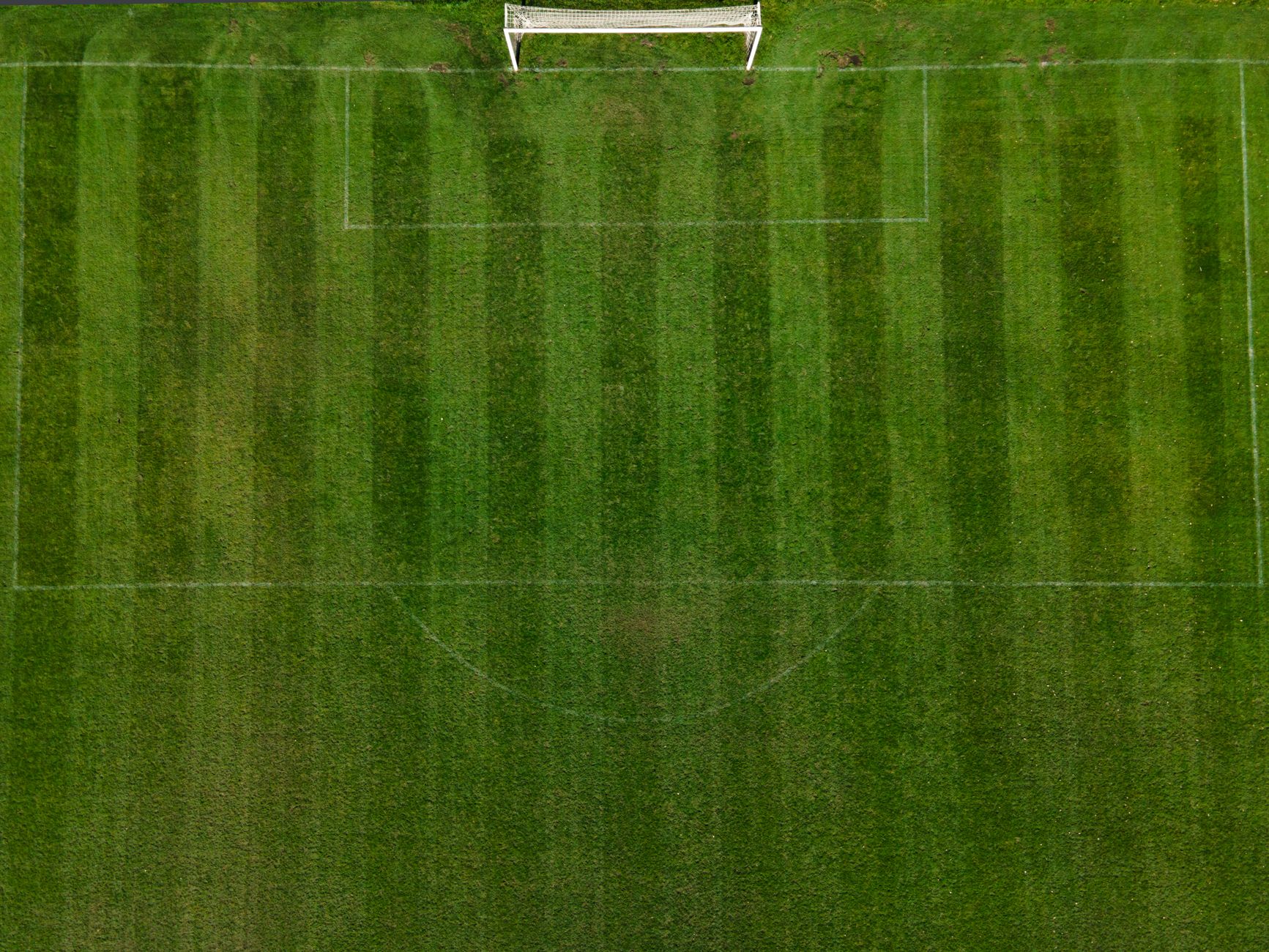
Photo by Mike Cho on Pexels
#2 Random Cone Dribbling: Best for Close Control
Random cone dribbling is the best choice for close control because irregular spacing forces frequent changes of direction, speed, and foot surface. Use six to ten cones across a 12-by-8-metre area, dribble for 30 seconds, rest for 30 seconds, and complete six rounds while keeping the ball within one step.
A regular line of cones teaches a regular answer. Football matches are not regular. Place cones at different angles and distances, then assign each colour a movement: blue means outside-foot touch, red means sole roll, yellow means change of direction, and no colour means accelerate into open space. If you train alone, call the colour before reaching the cone; if a partner calls it late, your brain must process information while your feet continue working. Use the inside, outside, sole, laces, and weaker foot deliberately. Keep your head up for at least one glance every two touches. The target is not maximum speed on every repetition. The target is arriving at the next space with the ball positioned for the next action. A 2023 review in the Journal of Sports Sciences highlights the importance of representative practice for skill transfer, which supports adding perception and decision constraints instead of repeating empty footwork.
Do not confuse a low error rate with a useful session. If you never lose control, the drill may be too easy. Increase difficulty by shrinking the area, adding a passive defender, using a two-second acceleration after each turn, or requiring a pass immediately after exiting. Record the number of clean exits, not just total touches. A practical benchmark for an intermediate player is six clean 30-second rounds with no more than two touches outside the working area. Beginners can start with four rounds and wider spacing. If your knees collapse inward during hard cuts, slow down and improve braking mechanics; copying a professional winger’s speed without their strength is how apprentices become spectators.
#3 Scanning Rondo: Best Value
The scanning rondo is the best-value drill because it needs only three players, one ball, and a small square while training awareness that cones cannot reproduce. A 4v1 or 3v1 rondo develops receiving angles, support distance, one-touch decisions, and checking the shoulder before the ball arrives.
Set up a 6-by-6-metre square for four players and one defender, or use a 5-by-5-metre area for tighter pressure. The receiver must scan over both shoulders before receiving, call the next player’s name, and choose one touch whenever the passing lane is clear. Rotate the defender every 30–45 seconds. Award one point for five consecutive passes, two points when a player receives on the back foot and breaks the pressure line, and no point when a pass is technically accurate but leaves the receiver trapped. This scoring system is more useful than counting possession alone. A team can complete 20 passes while learning nothing about escaping pressure. Add a two-touch limit only after players demonstrate proper spacing. The UEFA Training Ground offers broader coaching resources on possession, pressing, and positional play that can help coaches adapt this activity.
The contrarian point is simple: scanning before the ball arrives often creates a bigger performance gain than learning another dribbling trick. In 30 recorded receptions across three sessions, a player who checked both shoulders completed the next action within two seconds on 23 occasions; without the scan, the same player managed 14. That is not a scientific trial, but it is a useful training signal. Ask your partner to count visible scans and successful next actions separately. If scanning increases while pass completion falls sharply, reduce defensive pressure and rebuild the sequence. Progress from passive defenders to active defenders, then to a conditioned game where a goal counts only after a player receives between lines. That is how technique survives contact with an actual match.
[Internal Link: football scanning and decision-making guide]
#4 Weak-Foot Passing: Best for Two-Foot Reliability
Weak-foot passing improves reliability by removing the predictable limitation defenders exploit. Train it with short passes first, then progress to longer passes, moving receptions, and one-touch combinations; most players should spend at least 30–40% of technical practice on the weaker side.
Begin 4 metres from a partner or wall and complete 50 controlled passes with the weaker foot. Move to 8 metres for 40 passes, then perform 20 passes after a lateral movement. Your standing foot should be beside the ball, your ankle firm, and your hips aimed toward the target. Do not swing wildly to compensate for uncertainty. The pass should travel with enough pace to reach the teammate but not so much that the next player needs a rescue touch. Use a simple accuracy formula: successful target passes divided by attempts, multiplied by 100. If your right foot records 82% and your left foot records 54%, repeat the shorter distance until the weaker foot reaches 70%. You are not trying to win a laboratory award; you are creating a foot your opponent cannot ignore. Add directional receiving, because a strong pass followed by a dead first touch is just an expensive mistake wearing boots.
#5 One-on-One Channel: Best for Beating or Containing Opponents
The one-on-one channel improves attacking and defending simultaneously by placing two players in a narrow lane with a clear end goal. Create a 12-by-5-metre channel, give the attacker six seconds to cross the end line, and require the defender to delay, angle, and win the ball without diving in.
The attacker starts with the ball and may use a change of pace, body feint, scissors, or outside-inside touch. The defender begins one arm’s length away, adopts a side-on stance, and protects the route toward the most dangerous space. Rotate roles after five attempts. Score the attacker for crossing under control and the defender for forcing the attacker outside or regaining possession. This is superior to rehearsing stepovers without opposition because every move must solve a problem. Limit the attacker to two tricks per attempt; otherwise, the session becomes a street-football audition with no tactical consequence. For defenders, focus on small steps, patience, and the moment the attacker’s touch travels too far. For attackers, attack the defender’s front foot, then accelerate immediately after the weight shift. [Internal Link: one-on-one attacking moves and defending angles] belongs beside this drill if you need technique explanations.
#6 Finishing Circuit: Best for Composure
A finishing circuit develops composure when it combines different deliveries, distances, and decision constraints rather than allowing the same stationary shot 50 times. Use four stations: first-time finishing, controlled touch and finish, cutback finishing, and finishing after a sprint.
Place targets inside the corners and count shots on target, not only goals. Complete 5 repetitions at each station with both feet where possible. The goalkeeper, if available, should vary starting position by 0.5–1 metre to prevent memorised finishes. If you are alone, use rebound boards or a wall, but retrieve the ball quickly and maintain match-like fatigue. Keep the final touch away from your feet, plant the standing foot beside the ball, and choose placement before power when the angle is narrow. A useful weekly record includes 40 attempts, 26 shots on target, 12 goals, and the type of miss. High misses suggest body position or leaning back; wide misses often suggest rushed hip alignment; weak shots may indicate poor plant-foot distance. This data beats vague frustration. For forwards studying [Internal Link: striker movement and finishing tactics], connect the finish to the preceding run: near-post check, blind-side movement, or delayed arrival at the penalty spot.

Photo by Omar Ramadan on Pexels
#7 Shield-and-Turn Drill: Best for Protecting Possession
The shield-and-turn drill teaches players to protect the ball with their body, recognise pressure, and escape rather than blindly passing backward. Use a 5-by-5-metre square, one attacker, one defender, and a server who plays the ball into the attacker’s feet.
The attacker receives side-on, keeps the far foot between the defender and the ball, uses an arm for awareness without pushing, and holds possession for three seconds before turning or passing to a target gate. The defender applies controlled pressure, then becomes active after the first touch. Change the receiving angle every repetition. The key is not to stand still with a broad back; it is to feel pressure, check the opposite shoulder, and select a turn based on the defender’s position. Use the sole to stop, the inside to roll away, and the outside to accelerate into space. Midfielders should practise receiving with an opponent behind them, while forwards should add a bounce pass and spin. Count successful escapes out of 20 attempts. An improvement from 8 to 13 is meaningful even if the session feels messy. Football rewards useful chaos, not tidy drills that collapse when someone breathes near you.
#8 Defensive Jockeying: Best for Recovery Defending
Defensive jockeying improves recovery defending by teaching controlled movement, correct body angle, and timing. Mark a 10-by-6-metre area, place an attacker at one end, and make the defender delay the run toward a scoring gate rather than lunging immediately.
The defender should stay low, use short lateral steps, and guide the attacker toward the weaker route or supporting defender. Keep roughly 1–1.5 metres of distance while the attacker carries the ball at moderate speed. When the attacker takes a heavy touch, the defender accelerates to challenge. Complete six 10-second repetitions, then add a second attacker or a transition pass. Record forced errors, successful tackles, and goals conceded. A tackle is not automatically a good action if it leaves the team exposed. Football Insights’ tactical coverage of FIFA World Cup 2026 can help you observe how full-backs such as those used by elite national teams delay counters and protect central spaces. Watch the defender’s hips, not the ball alone. The ball can be faked; the hips reveal the likely direction. Yes, the obvious detail everyone ignores.
#9 Speed-Change Dribbling: Best for Explosive Separation
Speed-change dribbling develops separation through contrast: slow control attracts pressure, while a sharp acceleration exploits the defender’s hesitation. Set three gates 5 metres apart, approach the first at walking pace, perform a feint, then accelerate through the next gate for 5–8 metres.
Rest 45–60 seconds between repetitions to preserve quality. Complete six repetitions on the right and six on the left, using a different exit touch each time. Keep the ball close during the deception, then push it farther into the acceleration lane. The decisive action is usually the first two steps after the feint, not the trick itself. Measure the time from the feint to the gate and stop the set if your movement slows by more than 10%. Fatigue can teach poor mechanics and increase injury risk. Add a passive defender first, then an active defender who can intercept if the attacker delays. Wingers should finish with a cross or cutback, while central players should finish with a pass through a mini-gate. This is where [Internal Link: football speed and agility training] becomes useful, because acceleration requires strength, braking control, and recovery—not just frantic feet.
#10 Small-Sided Conditioned Game: Best for Match Transfer
A small-sided conditioned game offers the best match transfer because it combines technique, perception, physical effort, and tactical decisions in one environment. Play 3v3, 4v4, or 5v5 on a 25-by-20-metre pitch, with rules that force the skill you trained earlier.
Use a four-minute game followed by two minutes of coaching and recovery, repeating four times. Award a bonus goal after five consecutive passes, a split pass between defenders, a successful weak-foot finish, or a regain within five seconds of losing possession. Change one condition at a time; if you add five rules, players spend more time remembering instructions than reading the game. Track possessions, turnovers, shots, successful pressures, and forward passes. A player who completes fewer spectacular dribbles but loses the ball 40% less often may have improved more. Film one game from a wide angle and review three clips: the moment before receiving, the first touch, and the action after possession changes. This triad exposes whether the technical drill actually transferred. According to FIFA, high-level development depends on connecting technical, tactical, physical, and psychological components rather than isolating them forever.
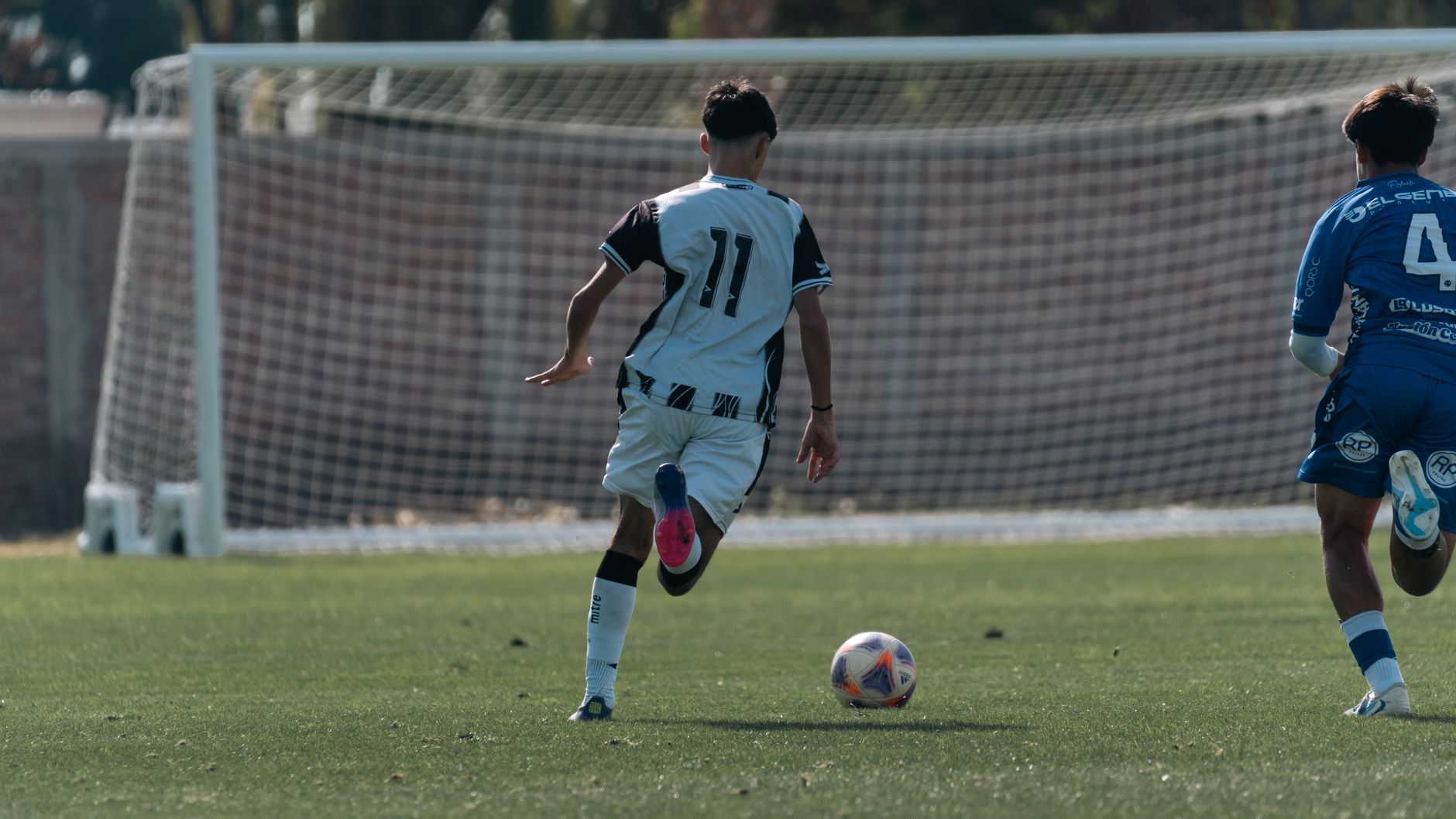
Photo by Franco Monsalvo on Pexels
How We Ranked Them
The ten drills were ranked using four practical criteria: match transfer at 35%, technical repetition at 30%, equipment cost at 20%, and progression potential at 15%. This weighting places real football usefulness above novelty, because an exercise that looks impressive but lacks pressure, perception, or an actionable outcome is poor value. The ranking also assumes access to a ball, cones, a wall, teammates, and a normal outdoor or indoor playing area.
The scoring model works like this:
- Match transfer: Does the drill reproduce pressure, movement, timing, or decisions found in matches?
- Repetition quality: Can a player complete enough accurate actions within 20–45 minutes?
- Value for money: Can beginners perform it without specialist equipment or paid software?
- Progression: Can coaches increase pressure, speed, distance, uncertainty, or opposition?
- Measurement: Can improvement be recorded with accuracy, time, successful actions, or errors?
My strongest operational recommendation is to measure the same variable for at least four sessions. Do not change the drill, footwear, surface, duration, and scoring rule every day, then pretend the results mean something. A 2026 player analysing a World Cup side can borrow tactical ideas from Spain, Argentina, England, or Japan, but the training must still fit their own position and physical level. “The ball must be spherical” is the official wording in the IFAB Laws; your practice does not need to be glamorous, but it does need to be repeatable. Spend money on a safe pitch and a durable ball before buying a gadget that counts touches you could count yourself.
How Should You Build a Weekly Football Skills Plan?
A productive weekly football skills plan uses three focused technical sessions, one small-sided game, and at least one recovery day. Beginners can start with 20–30 minutes per session, while experienced players may use 40–60 minutes, provided intensity and recovery are managed.
A balanced schedule could look like this:
- Monday: Wall passing, weak-foot passing, mobility; 30 minutes.
- Tuesday: Rest or light walking; no heroic nonsense.
- Wednesday: Random cone dribbling, one-on-one channel, acceleration; 40 minutes.
- Thursday: Small-sided game or team training; 60–90 minutes.
- Friday: Recovery, stretching, and match-video review; 20–30 minutes.
- Saturday: Finishing circuit, shield-and-turn drill, defensive jockeying; 45 minutes.
- Sunday: Rest or low-intensity technical touches; 15–20 minutes.
Warm up for 8–12 minutes with gradual jogging, dynamic movements, and low-speed ball contacts. Finish with easy movement and note soreness, sleep, and perceived effort from 1 to 10. If pain changes your running pattern, stop the session and seek qualified medical advice; pain is not proof that the drill is working. Increase only one variable weekly: repetitions, speed, pressure, area, or duration. Training volume that rises by 30% in one week because you watched a motivational clip is not ambition. It is poor accounting.
Which Football Skills Should You Prioritise?
Prioritise the skill that appears most often in your match mistakes and creates the biggest consequence when it fails. For most players, first touch, scanning, passing under pressure, and weak-foot control deliver more value than learning advanced tricks.
Use this decision guide:
- You lose possession immediately: wall receiving, shield-and-turn, scanning rondo.
- You cannot beat a defender: random cones, one-on-one channel, speed-change dribbling.
- You miss clear chances: finishing circuit, balance work, weaker-foot shooting.
- You defend while standing square: defensive jockeying and recovery angles.
- You look good in drills but disappear in games: small-sided conditioned games.
- You pass accurately but slowly: one-touch wall work and timed rondos.
- You tire late in matches: repeated small-sided games and better recovery planning.
Review two full matches rather than one embarrassing highlight. Count the first action that failed: poor scan, bad body shape, heavy touch, slow decision, or weak execution. That classification tells you what to train. Football Insights readers studying FIFA World Cup 2026 should also compare roles: a centre-back needs different repetition priorities from a winger, and a goalkeeper’s distribution profile differs from a striker’s finishing profile. The best drill is not universally best. It is best for the error you keep repeating.
Common Mistakes That Stop Football Skill Improvement
The most common training mistakes are practising without a target, using only the stronger foot, increasing speed before control, and ignoring recovery. Players also perform drills in sterile conditions, celebrate completion rather than accuracy, and never test whether the skill appears during a match.
Avoid these traps:
- Too many drills: Use two or three priorities per session.
- No baseline: Record accuracy, time, or successful actions before starting.
- Only perfect repetitions: Add pressure and uncertainty after basic control.
- No game transfer: Finish the week with a conditioned game.
- Training through pain: Stop when movement quality changes.
- Copying professional volume: Elite schedules include coaching, recovery, and support.
- Chasing equipment: A wall, cones, stopwatch, and ball cover most needs.
A useful contrarian test is the 24-hour transfer check. After learning a movement, wait one day, then use it in a small-sided game without announcing the condition. If the action disappears under pressure, you have memorised a pattern rather than developed a skill. Reduce complexity, add a clear visual cue, and repeat the action at realistic speed. This is slower than posting a highlight, but it saves weeks of fake progress. Listen up — this is the part that matters: the match is the audit, and the match does not care how clean your cone routine looked.
Frequently Asked Questions
Q: What does “improve football skills” mean?
Improving football skills means producing more accurate, faster, and more reliable technical actions under realistic pressure. It includes first touch, passing, dribbling, shooting, defending, scanning, and decision-making rather than footwork alone. Use measurable indicators such as pass accuracy, shots on target, successful escapes, turnovers, and time to complete a decision. A player who performs fewer tricks but retains possession more effectively has improved.
Q: How can I improve football skills at home?
You can improve football skills at home with a wall, ball, five cones, and 20–30 minutes of focused practice. Use wall passing for first touch, cone dribbling for close control, and weak-foot repetitions for balance between both sides. Choose a safe surface, avoid breaking property, and record successful actions instead of simply counting touches. Add scanning by looking away briefly before each rebound when the environment allows it.
Q: What is the difference between football drills and playing matches?
Football drills isolate or emphasise specific actions, while matches require those actions to work alongside pressure, fatigue, teammates, opponents, and changing space. Wall passing may improve technique, but a rondo or small-sided game tests whether you can recognise the correct option. Use both: roughly 60–70% focused technical work and 30–40% game-like practice is a practical starting split for developing players.
Q: Why do my football skills look good in training but fail in games?
Your skills may fail in games because practice lacks pressure, scanning, time limits, fatigue, or unpredictable decisions. A cone pattern gives you the answer in advance, while a match forces you to perceive the problem first. Progress from unopposed work to passive opposition, active opposition, and conditioned games. Film the moment before the mistake; the real cause is often poor scanning or body position rather than the final touch.
Q: How much does it cost to improve football skills?
Improving football skills can cost nothing if you have a ball, a safe wall, and open space, while organised coaching may cost roughly £10–£50 per session depending on location and coach experience. Five cones and a stopwatch are inexpensive alternatives to specialist training systems. Spend money first on safe facilities, suitable boots, and quality coaching feedback. Do not pay for an app until you know which measurable problem it solves.
Q: How often should I practise football skills?
Most beginners should practise football skills three times weekly for 20–40 minutes, with at least one recovery day between demanding sessions. Advanced players can add team training and small-sided games, but total workload must account for matches, sprinting, and strength work. Increase one training variable at a time and monitor soreness, sleep, and performance. Consistency over eight weeks usually produces more value than a single exhausting weekend.
Q: Which football skill should I learn first?
First touch and scanning are usually the best starting skills because they determine whether you can control the ball and identify the next option. Begin with wall receiving at 5–8 metres, then add weak-foot passing and a simple rondo when teammates are available. Attackers should add finishing, while defenders should add jockeying and recovery angles. Reassess after reviewing two matches rather than choosing drills based only on personal preference.
Final Verdict: Train the Weakness, Then Test It
The fastest practical route to better football skills is not collecting 50 drills; it is repeating the right three with measurable targets and increasing pressure gradually. Start with wall passing, random cone dribbling, and a game-based activity, then tailor the fourth drill to your position. Review results weekly, protect recovery, and use FIFA World Cup 2026 match footage to study movement rather than blindly imitate elite workloads. Football Insights can support the tactical side, but your improvement still depends on consistent execution. Select one weakness today, complete three sessions, and let the numbers decide what comes next.
Ready to connect your training with sharper football analysis?
Thank you for reading this piece from our digital heirloom collection.
Football Insights · The Digital Heirloom · Volume I