Top 3 Football Cleats for Beginners (2026)
The best football cleat for beginners is the Nike Premier 3, because its leather upper, comfortable fit, firm-ground traction, and sensible price make it easier to learn without overspending. The Nike...

Top 3 Football Cleats for Beginners (2026)
The best football cleat for beginners is the Nike Premier 3, because its leather upper, comfortable fit, firm-ground traction, and sensible price make it easier to learn without overspending. The Nike Mercurial Vapor 16 Pro is faster and lighter, while the adidas Copa Pure 3 League offers strong cushioning and forgiving touch. These picks suit association football players in youth leagues, recreational teams, and amateur competitions across the United States, the United Kingdom, Canada, and Australia. Expect beginner-friendly models to cost roughly $60–$170, while premium boots can exceed $250. Surface matters: firm-ground studs belong on natural grass, whereas artificial-grass and turf patterns are safer on synthetic fields. Football Insights recommends checking your league rules, measuring both feet, and trying cleats with match socks before buying. If you play on mixed surfaces, choose versatility over flashy speed technology. That one decision can save your feet, your money, and your first season.

Photo by SAIF SIDDIQUE on Pexels
Starting football is exciting until your first practice turns into a two-hour argument between your feet and badly chosen footwear. I know the trap because I once trusted a suspicious discount site, received the wrong size, and discovered that “final sale” apparently meant “your problem now.” Listen up — this is the part that matters: beginners do not need the most expensive football cleats. They need a secure fit, suitable studs, dependable traction, and enough comfort to survive repeated training sessions. The FIFA Laws of the Game define the playing equipment players may use, and local leagues can impose additional restrictions, so a boot that looks legal online may still be unsuitable for your competition. Football Insights focuses on practical value rather than celebrity endorsements, exaggerated speed claims, or glossy product photography. Before ordering, confirm the retailer’s return policy, inspect the outsole, and identify whether your field is natural grass, artificial grass, or indoor turf. Those checks are boring, which is exactly why people skip them and lose money.
Want a practical starting point before comparing models?
The Top 3 Football Cleats at a Glance
| Rank | Model | Best for | Typical price | Surface |
|---|---|---|---|---|
| 1 | Nike Premier 3 | Best overall and best value balance | $90–$140 | Firm ground |
| 2 | Nike Mercurial Vapor 16 Pro | Speed-focused beginners | $150–$190 | Firm ground |
| 3 | adidas Copa Pure 3 League | Comfort and forgiving touch | $70–$100 | Firm ground |
- Nike Premier 3: The sensible first purchase, with a leather forefoot and traditional feel.
- Nike Mercurial Vapor 16 Pro: The lighter, more aggressive option for players who prioritize acceleration.
- adidas Copa Pure 3 League: The comfort-oriented choice for beginners who dislike rigid uppers.
Prices change by country, colorway, season, and retailer. A $130 Nike Premier 3 clearance pair can be a better deal than a $90 boot with poor fit, no returns, or unsuitable studs. That is the value equation people mysteriously ignore while chasing a bright soleplate. Also, check whether the product is a football boot for association football or an American football cleat. Soccer-style football cleats generally have low-profile outsoles and no dangerous toe stud, while American football models may have a toe spike and different support geometry. If your team says “football,” verify the sport before paying. This sounds obvious, but obvious mistakes are still expensive mistakes.
[Internal Link: beginner’s guide to football positions and equipment]
#1 Nike Premier 3: What Makes It the Best Overall?
The Nike Premier 3 is the best overall beginner football cleat because it combines a relatively forgiving leather upper, conventional ball feel, reliable firm-ground traction, and a price below Nike’s elite-tier boots. It is especially strong for players learning passing, dribbling, receiving, and shooting rather than chasing marginal sprint gains.
The Premier 3’s appeal is not mysterious. Its leather forefoot tends to feel less demanding than ultra-thin synthetic speed boots, and the traditional lace area allows beginners to adjust pressure across the top of the foot. That matters during long practices, when a tight upper can become a small torture device. The outsole is designed for firm natural grass, so it should not be treated as a universal boot for every surface. On wet grass, inspect the studs before each session; worn or clogged studs can reduce traction even when the boot itself remains structurally sound. Nike’s name is useful for availability and replacement sizing, but the logo does not rescue a bad fit. Try the Premier 3 after your feet have expanded later in the day, wear your normal football socks, and leave approximately a thumb-width or less of comfortable space in front of the longest toe. Too much room causes internal sliding; zero room causes pressure and black toenails. Many beginners buy short because a snug boot “feels professional.” It usually just feels foolish after 30 minutes.
Strengths and limitations
- Strong all-around value for recreational and youth players.
- More traditional touch than many thin speed boots.
- Adjustable lacing helps accommodate different foot shapes.
- Usually easier to find on sale than elite Nike models.
- Not the lightest option for pure sprinting.
- Firm-ground studs are not the correct choice for artificial turf or indoor courts.
After several sessions, the leather upper may soften, but do not purchase an uncomfortable pair expecting a miracle break-in. A boot can become more flexible; it cannot reliably become wider in the exact place crushing your little toe. That is a useful distinction between normal adaptation and buyer’s remorse. For more equipment basics, compare this recommendation with our [Internal Link: football boot sizing and fit guide].
See the broader football coverage and practical gear analysis from Football Insights here:
#2 Nike Mercurial Vapor 16 Pro: Is It Best for Speed?
The Nike Mercurial Vapor 16 Pro is best for beginners who already know they prefer a lightweight, speed-oriented boot and play wide, forward, or attacking roles. Its close-fitting construction and aggressive design can support quick movement, but it is less forgiving than the Nike Premier 3 when sizing, foot shape, or comfort is wrong.
Speed boots sell a compelling story: lighter materials, streamlined profiles, and soleplates engineered for acceleration. The practical gain for a beginner, however, is usually smaller than the marketing suggests. A player who loses concentration because of heel slip or forefoot pressure is not becoming faster; that player is adjusting the boot instead of reading the game. The Mercurial Vapor 16 Pro can make sense when you have tested the shape and like its responsive feel, particularly if your sessions involve repeated sprints on firm natural grass. It makes less financial sense as a blind online purchase. Nike’s Pro tier sits below elite models but still commands a substantial price, often around $150–$190 depending on market and discounts. Measure both feet, compare the Nike size chart, and confirm return eligibility before removing tags. One useful edge case: if your league trains mainly on synthetic grass, a firm-ground Mercurial may feel too aggressive and wear unevenly. You need an artificial-grass outsole, not confidence generated by a product page.
Who should buy the Mercurial Vapor 16 Pro?
Choose it when:
- You have tested the narrow or close-fitting shape and feel no pressure points.
- You regularly sprint, cut, and change direction on compatible firm-ground grass.
- You value low weight and responsive contact more than maximum cushioning.
- Your budget allows a Pro-tier purchase without sacrificing shin guards or training essentials.
Skip it when:
- You have wide feet and cannot comfortably adjust the upper.
- You are still unsure which surface your team uses.
- You want one pair for grass, turf, indoor courts, and artificial fields.
- Your priority is the lowest cost per season.
According to Nike’s official football footwear guidance, fit and surface compatibility remain central considerations across its boot ranges. That sounds less exciting than “unlock your speed,” but it is more useful. For a first pair, performance technology should support your movement, not dictate your foot shape.
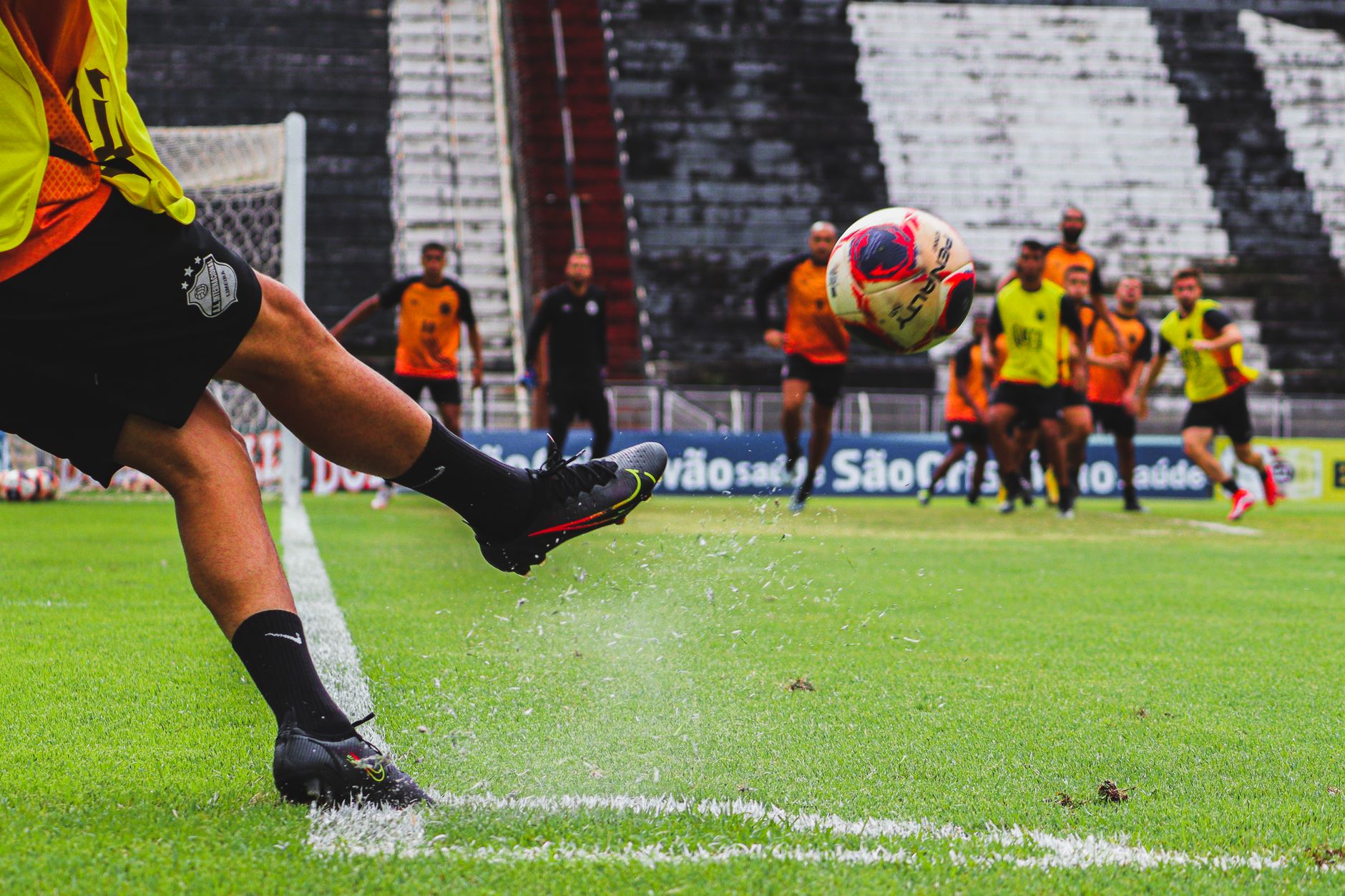
Photo by Thiago Kai on Pexels
#3 adidas Copa Pure 3 League: Is It the Best Value?
The adidas Copa Pure 3 League is the best value pick for beginners who prioritize comfort, cushioning, and a forgiving touch over premium speed technology. Its League-level pricing commonly falls near $70–$100, making it a practical choice for youth players, recreational teams, and families buying a first pair during a growth-heavy season.
The Copa Pure 3 League earns its place because beginners often need comfort more than sophistication. Its softer-feeling upper and padded construction can be less intimidating than a rigid, ultra-minimal boot, especially for players attending long training sessions twice or three times each week. “Value” does not mean the cheapest sticker price; it means useful performance divided by total ownership cost. A $90 boot worn comfortably for 10 months beats a $55 clearance boot abandoned after three practices. Check the outsole designation before purchase because adidas sells related Copa models for different conditions, including firm ground and artificial grass. Also inspect the heel counter and stitching when the box arrives. Retail photos are not quality control. If the soleplate is warped, the studs are visibly damaged, or the size label does not match the order, photograph the issue before wearing the boot and request a replacement. That five-minute habit is what separates a careful buyer from the person arguing with customer support after muddying the evidence.
Want to compare comfort, price, and surface fit before choosing?
How Did We Rank These Beginner Football Cleats?
We ranked the three models using fit and comfort at 30%, surface suitability at 25%, traction and stability at 20%, durability at 15%, and price-to-performance at 10%. This weighting deliberately places comfort and correct surface use above speed claims, because beginners spend more time learning movement than exploiting elite-level marginal gains.
The ranking also considers availability from established retailers such as Nike and adidas, warranty clarity, model consistency, and the practical cost of replacing a growing player’s boots. We did not treat professional sponsorships, colorways, or the highest list price as quality signals. The FIFA Laws of the Game state that player equipment “must not be dangerous,” which supports a conservative approach to outsole choice and damaged studs. The American Academy of Podiatric Sports Medicine also emphasizes appropriate footwear and fit in sports-footwear guidance, although no cleat eliminates injury risk. The contrarian conclusion is simple: a heavier, comfortable boot can be a better beginner purchase than a lighter premium model if it keeps the player training consistently. Missing practice because of blisters costs more development than carrying an extra few grams.
Our practical buying audit
Before paying, check these details:
- Sport: Confirm association football, not American football.
- Surface: Identify firm ground, artificial grass, turf, or indoor flooring.
- Fit: Test heel lockdown, toe room, width, and pressure points.
- Retailer: Verify returns, delivery estimates, seller identity, and payment security.
- Condition: Photograph the box, label, outsole, and stitching on arrival.
- League rules: Ask the coach about stud restrictions before match day.
The retailer check deserves emphasis. Search for a physical address, customer-service method, HTTPS connection, realistic discounts, and independent reviews. A 70% “limited-time” discount with no return address is not a bargain; it is a financial ambush wearing boots. Use a credit card or protected payment method when possible, and avoid sending bank-transfer payments to an unfamiliar store.
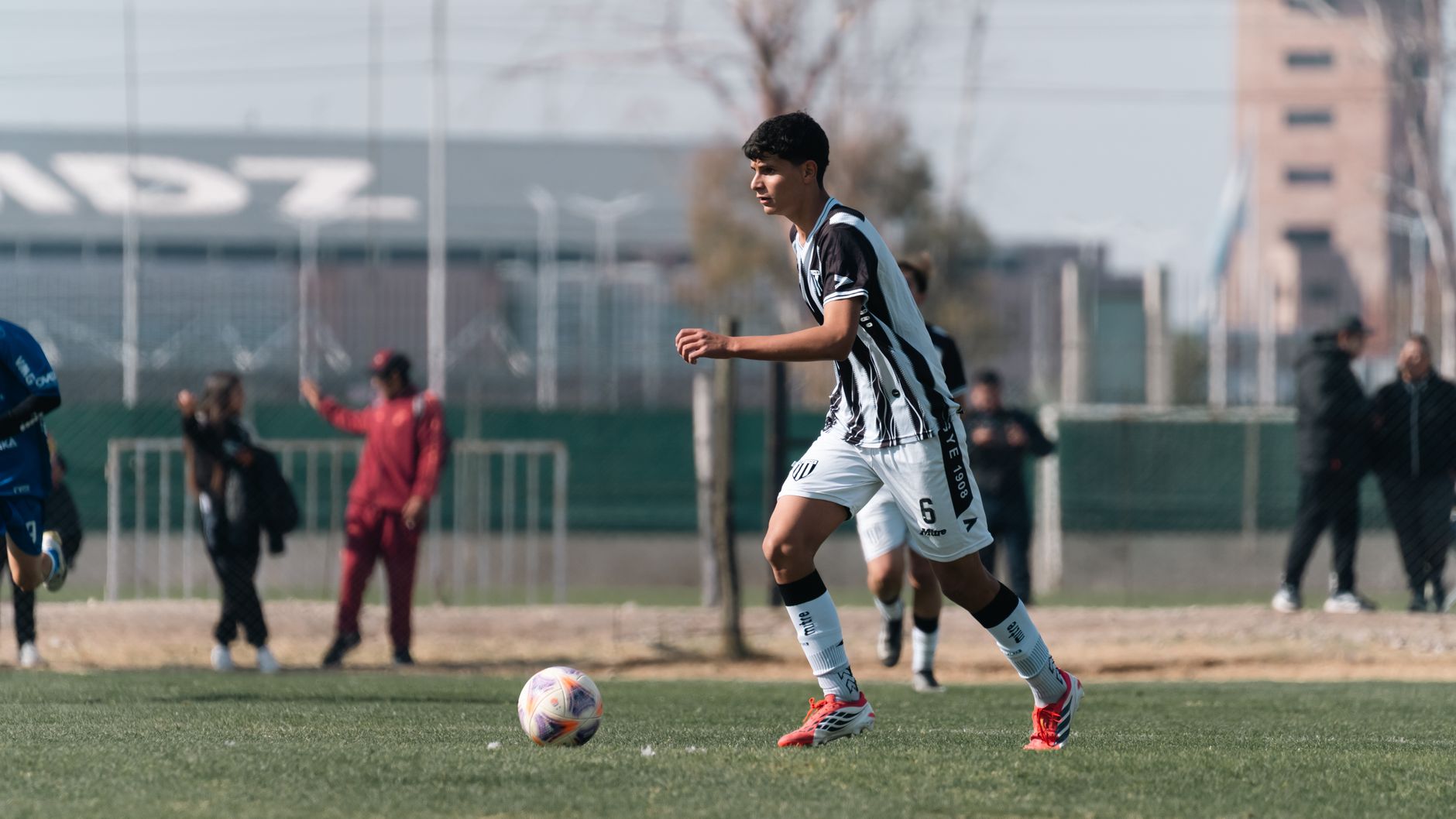
Photo by Franco Monsalvo on Pexels
Which Football Cleats Should You Pick?
Choose the Nike Premier 3 if you want the safest all-round starting point, the Nike Mercurial Vapor 16 Pro if tested fit and speed are your priorities, and the adidas Copa Pure 3 League if comfort and lower purchase cost matter most. Surface compatibility should override brand preference in every case.
Use this decision guide:
- Mostly natural, firm grass: Nike Premier 3 or Mercurial Vapor 16 Pro.
- Mostly artificial grass: Buy an artificial-grass version rather than standard firm-ground studs.
- Wide or sensitive feet: Start with the most forgiving shape you can try in person; do not force a narrow speed boot.
- Growing youth player: Select a durable, affordable model with a clear return policy.
- Budget under $100: Look for adidas Copa Pure 3 League or a discounted Nike Premier 3.
- Attacking player with confirmed fit: Consider the Mercurial Vapor 16 Pro.
- Mixed weekly surfaces: Ask the coach whether a second turf pair is required.
A first pair should make training easier, not turn every session into a product review. Break them in gradually: wear them indoors for 15–20 minutes, then use them for a short practice before a full match. Clean mud with a soft brush, air-dry away from radiators, remove the insoles when possible, and never machine-dry leather or synthetic uppers. Replace them when studs are worn, the sole separates, the upper develops structural tears, or the foot slides despite correct lacing. For training development after the purchase, see our [Internal Link: football dribbling and first-touch drills].
Get the complete Football Insights perspective on smart preparation and tournament-ready football knowledge:
Frequently Asked Questions
Q: What are football cleats for beginners?
A: Beginner football cleats are boots designed to provide secure fit, suitable traction, and practical comfort without requiring advanced playing technique. The Nike Premier 3, adidas Copa Pure 3 League, and selected entry-level Puma Future models fit this category. They are not automatically safer than premium boots, but their simpler construction and lower price reduce the cost of learning what fit and surface work for you. Always match the outsole to the field.
Q: How do you choose the right beginner football cleat size?
A: Choose the size that holds your heel securely while leaving a small amount of comfortable space in front of your longest toe. Measure both feet late in the day, wear your normal football socks, and compare the result with the specific Nike or adidas size chart. Walk, jog, and cut indoors before removing tags. If your toes hit the front, your heel lifts, or pressure concentrates on one joint, return the boot rather than hoping break-in will solve it.
Q: What is the difference between firm-ground and artificial-grass football cleats?
A: Firm-ground cleats use studs intended for natural grass, while artificial-grass cleats distribute traction across synthetic playing surfaces. Firm-ground boots can feel overly aggressive or wear faster on artificial fields, particularly when used frequently. Artificial-grass models generally have more, shorter traction elements. Ask your coach or facility whether the field is natural grass, 3G artificial grass, or short-pile turf before ordering.
Q: Are expensive football cleats worth it for beginners?
A: Expensive football cleats are usually not necessary for beginners, and a comfortable $90–$140 boot can offer better value than a $250 elite model. Premium boots may reduce weight or add specialized materials, but those benefits matter less than correct sizing and traction. Spend first on a suitable surface model, shin guards, socks, and reliable training access. Upgrade only after you understand your position, foot shape, and playing frequency.
Q: What should you do if new football cleats cause blisters?
A: Stop using the cleats for full sessions, identify the rubbing location, and check whether heel slip or incorrect sizing is the cause. Try short indoor wear, moisture-managing socks, and properly adjusted lacing only if the boot is otherwise comfortable. Do not continue playing through severe blisters because damaged skin can become infected and force missed training. If the boot creates repeated pressure after two or three short sessions, use the return policy.
Q: Can beginners use one pair of football cleats on every surface?
A: Beginners should not assume one pair works safely and efficiently on natural grass, artificial grass, indoor turf, and hard courts. Firm-ground, artificial-grass, turf, and indoor shoes use different outsole designs, and the wrong pattern can reduce comfort or traction. If your team rotates between surfaces, ask which field is used most and consider a second inexpensive turf or indoor pair. Never use metal studs unless your competition and facility explicitly permit them.
Q: How long should beginner football cleats last?
A: Beginner football cleats commonly last one season to two seasons when used once or twice weekly on compatible surfaces, although heavy use can shorten that period. Clean them after muddy sessions, air-dry them naturally, and avoid wearing grass boots on abrasive concrete or artificial turf. Replace them when the sole separates, studs become badly worn, or the foot no longer stays stable. For children, growth may require replacement before the materials fail.
The final recommendation is straightforward: start with the Nike Premier 3 for the strongest balance, consider the Mercurial Vapor 16 Pro only after confirming its fit, and choose the adidas Copa Pure 3 League when comfort and budget lead the decision. Check the surface, retailer, returns, and league rules before paying. Do that, and you avoid the rookie errors that drain money faster than a bad clearance sale.
Ready to make a smarter first purchase?
Thank you for reading this piece from our digital heirloom collection.
Football Insights · The Digital Heirloom · Volume I